
2020
EMS
Safety culture training for the entire Manaus factory and development for the Safety, Environment, and Health team in São Paulo.
Explore the project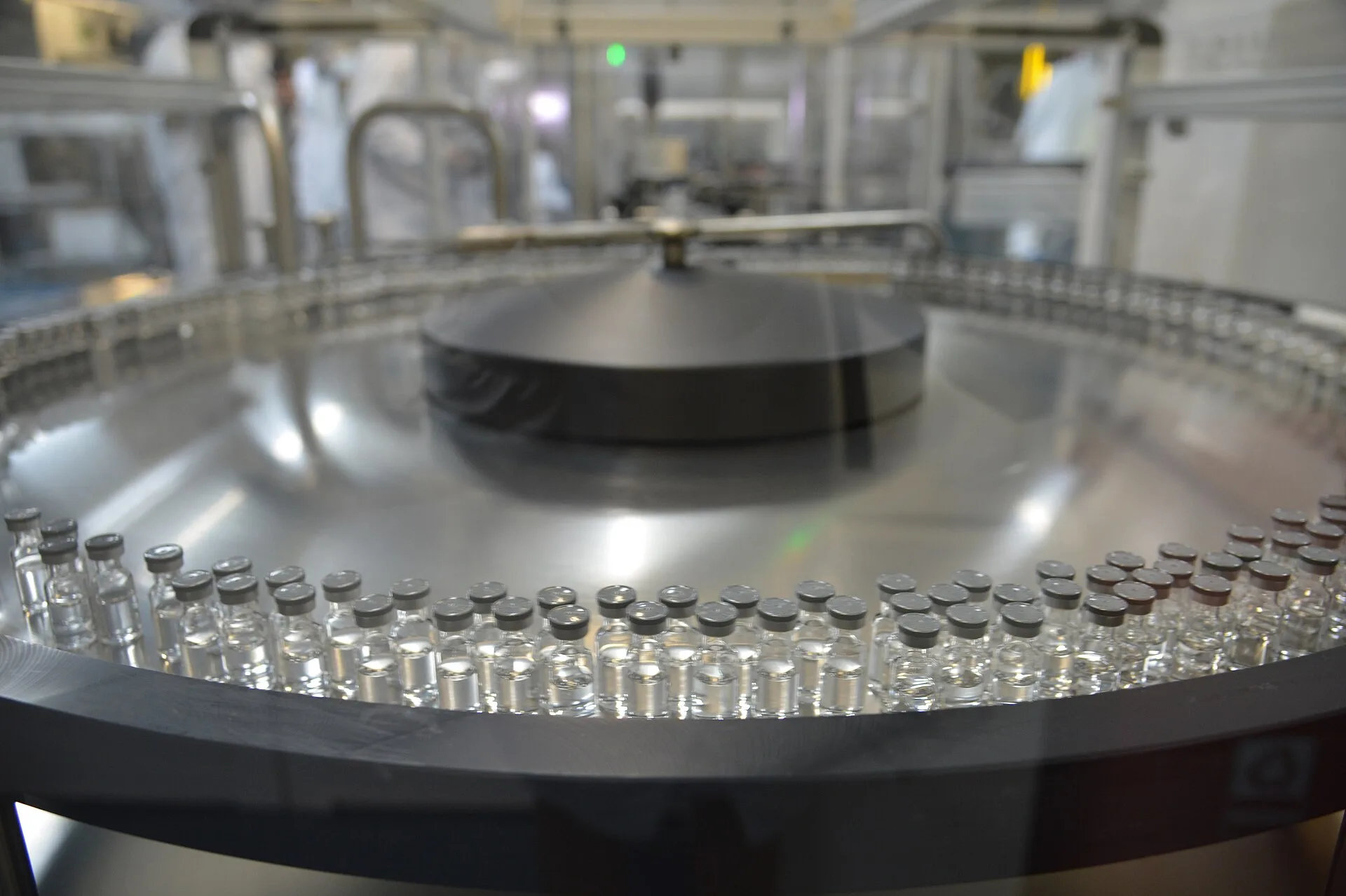
Developing the safety culture of the people who produce, analyze, and maintain pharmaceutical operations, considering the work across production, quality, and support functions.
In the pharmaceutical industry, attention to product quality is part of daily work. People’s safety needs to be present in decisions about that same work: how an activity is planned, how a change is communicated, and how the team responds when it encounters a difficulty.
Production, laboratories, storage, and maintenance involve different tasks. A culture assessment needs to recognize these differences and listen to professionals across shifts and roles. The experiences of the people doing the work help reveal issues that do not always appear in records.
Leadership’s role is to provide direction and the conditions for action. This includes clarifying responsibilities, following how tools are applied, and discussing situations that need attention, including when several functions need to decide together.
The assessment helps understand the organization’s practices and guide a development plan. Training may involve different leadership levels, with situations that help participants recognize risks and discuss their own role in safety.
Throughout cultural transformation, following routines helps identify difficulties in using tools and areas that need adjustment. The work is defined according to the sites, teams, and priorities agreed with the company.
Explore our approach2020
Safety culture training for the entire Manaus factory and development for the Safety, Environment, and Health team in São Paulo.
Explore the project2019
Incident investigation, leadership development, assessments in Brazil, a hand protection campaign in Latin America, and support in developing a 150-Day Plan.
Explore the projectUnderstand management practices and teams’ experiences across different activities.
Support the implementation of practices and follow the difficulties teams encounter.
Develop leadership through experiences related to the work context.
Examine understanding of critical exposures and the monitoring of controls.
Define priorities, responsibilities, and ways to monitor the work.
Understand the conditions and decisions involved to guide organizational learning.
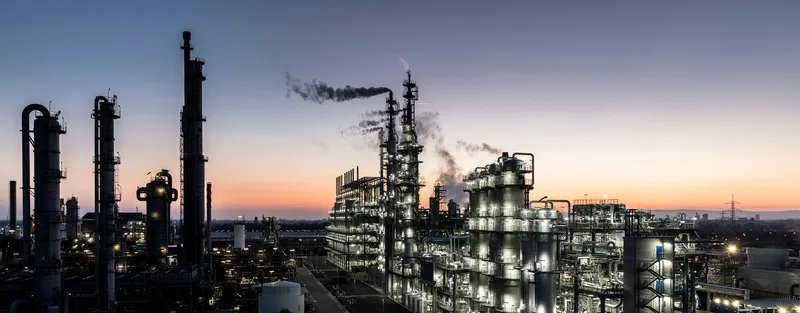
Safety culture influences how people interpret warnings, share information, and make decisions when chemical and petrochemical processes change.
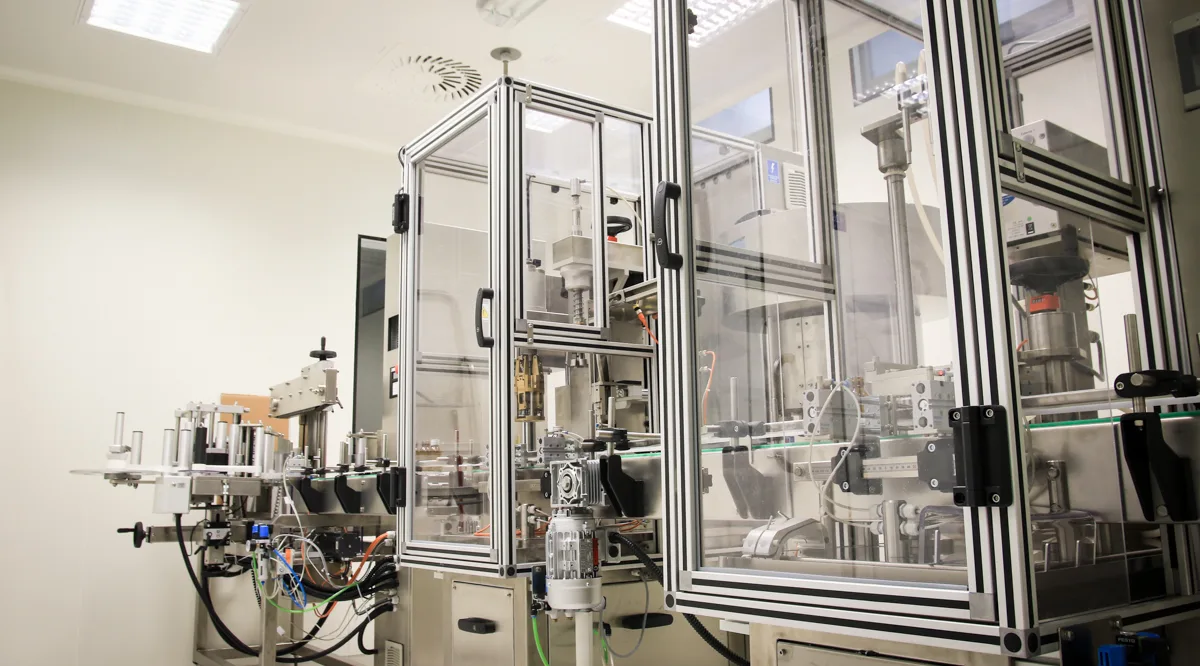
Safety culture in the manufacture of everyday products, considering the teams, production changes, and activities that sustain the operation.
Tell us which areas need to participate and what your organization wants to develop in its safety culture.