
Safety Culture Assessment
Understand how corporate functions, technical operations, sites, and contractors interpret and practice safety.
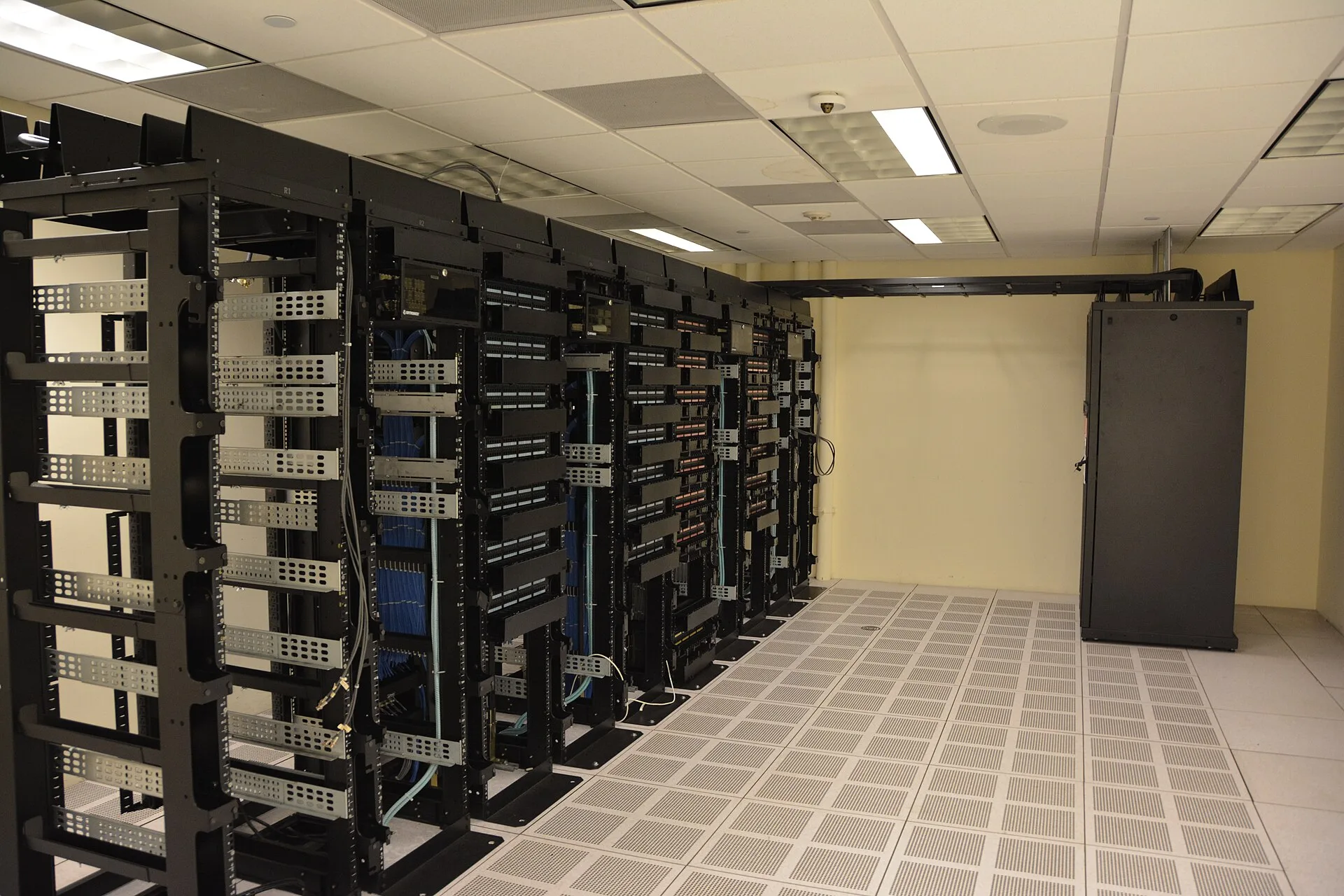
Service continuity depends on the people who install, operate, and maintain the infrastructure. Safety guidance needs to work in those activities.
Failures need to be addressed, networks expand, and technologies change while operations continue. Depending on the scope, in-house and contractor teams work on electrical installations, at height, on public roads, while traveling, and in access-controlled environments. Service deadlines and availability requirements can increase the pressure for a quick solution.
One organization may bring together professionals in networks, maintenance, engineering, customer service, stores, operations centers, and corporate functions. Each environment perceives risk differently. When responsibilities and criteria do not cross these boundaries, safety comes to depend on the supplier, the site, or local leadership.
Work is also often distributed across many locations and companies. The organization needs to know whether planned controls remain effective in the field, how deviations are communicated, and whether lessons from an incident reach people facing similar conditions.
With the organization, we examine how leadership priorities, governance, and relationships with contractors affect the conditions encountered by technical and field teams.
Depending on the need, the work may address differences between sites and suppliers, prevention of critical exposures, leadership development, or the implementation of cultural transformation across the network.
Explore our approachUnderstand how corporate functions, technical operations, sites, and contractors interpret and practice safety.
Support implementation of the plan at different levels and in different working environments.
Structure ongoing development for leaders, technical teams, and operations.
Assess anticipation, preparedness, and protection in relation to critical exposures, risk amplifiers, and controls.
Define priorities, responsibilities, and follow-up in a distributed operation.
Develop leaders through real work over nine weeks of practical experiences and mentoring.
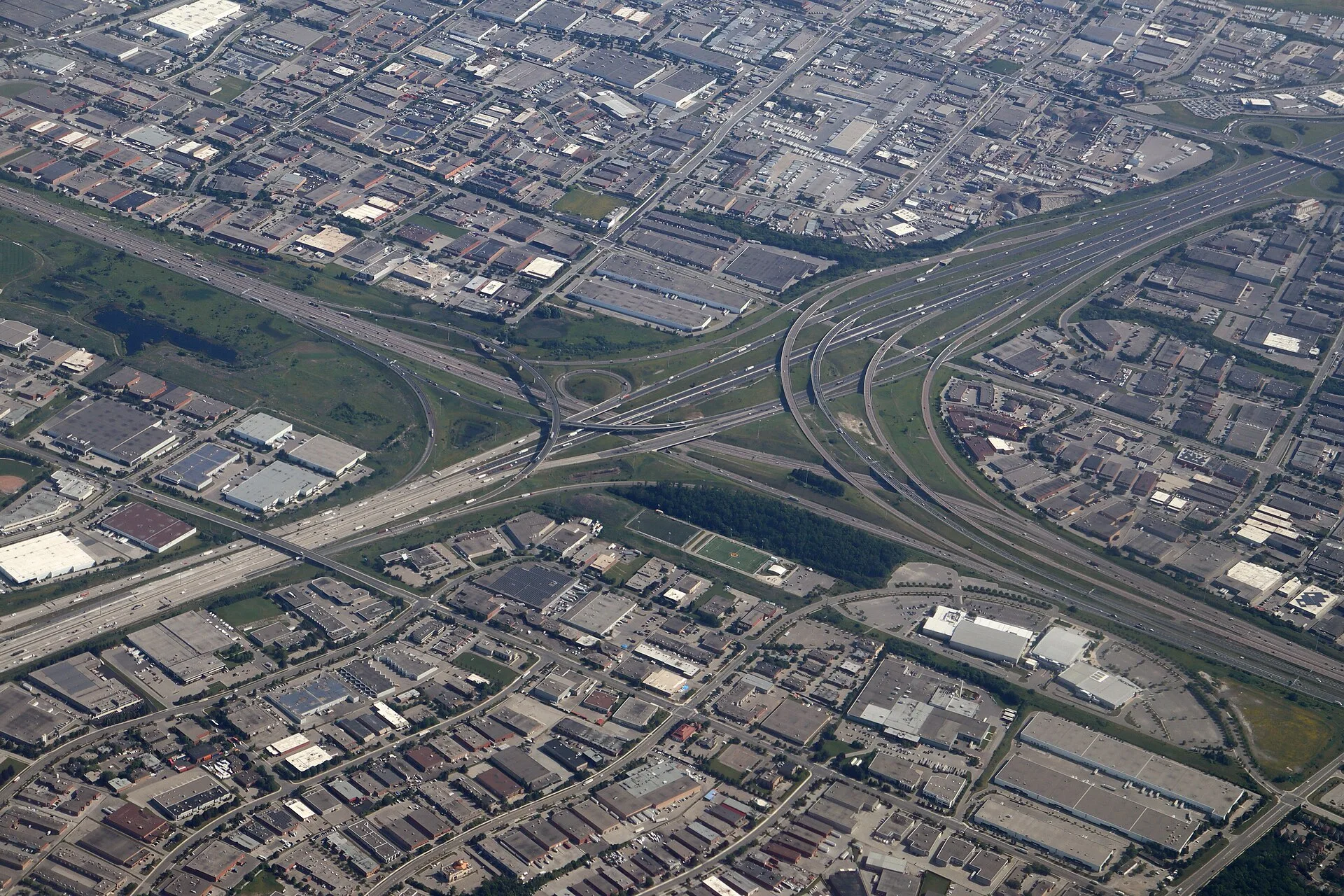
Safety culture in the construction, operation, and maintenance of major assets, with attention to decisions involving concession operators, local teams, and contractors.
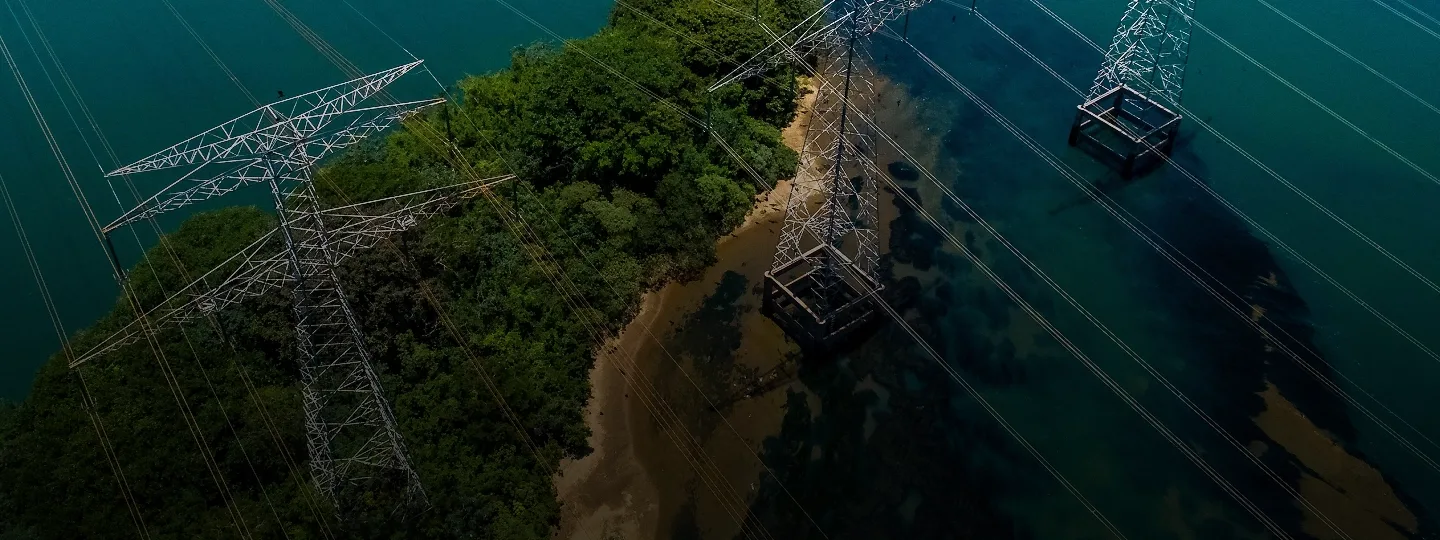
Leadership and safety culture in power generation, transmission, and distribution, with attention to the decisions of those who operate, maintain, and work on electrical infrastructure.
Tell us how teams are distributed and what needs attention in work carried out in-house or by contractors.