
Safety Culture Assessment
Understand management practices and teams’ experiences across different activities.
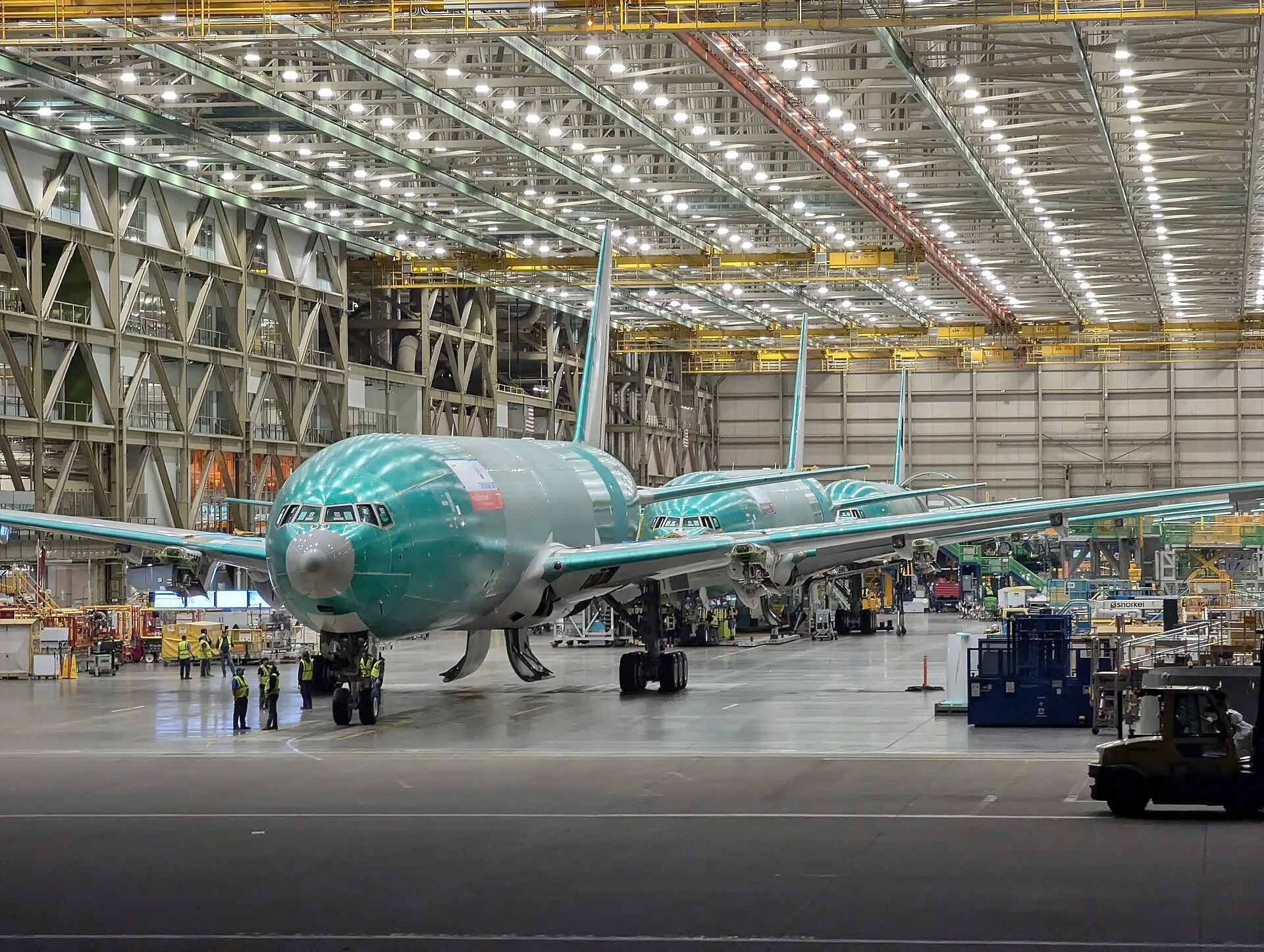
The safety culture of the people who manufacture, assemble, test, and maintain aerospace products, with attention to work coordination and leadership responsibilities.
Aerospace production brings together specialized activities, assembly stages, and checks involving different teams. Engineering, production, quality, and maintenance share decisions that affect working conditions.
Care for the product needs to coexist with attention to the people carrying out each stage. Understanding this relationship requires listening to those performing the tasks: what happens when a difficulty arises, how a change reaches the team, and what room there is to question guidance.
Safety culture is expressed in these relationships. Procedures and records are part of management, but it is also necessary to understand the quality of conversations, the clarity of responsibilities, and leaders’ response to signals from operations.
The work starts with the characteristics of the sites and activities included in the scope. The assessment may combine conversations, an analysis of practices, and observation of how teams share decisions.
This assessment guides planning and leadership development. Training and follow-up on safety tools consider workplace situations, with technical functions taking part to connect guidance to the context in which it will be used.
Explore our approachUnderstand management practices and teams’ experiences across different activities.
Define priorities, responsibilities, and ways to monitor the work.
Develop leadership through experiences related to the work context.
Examine understanding of critical exposures and the monitoring of controls.
Support the implementation of practices and follow the difficulties teams encounter.
Understand the conditions and decisions involved to guide organizational learning.
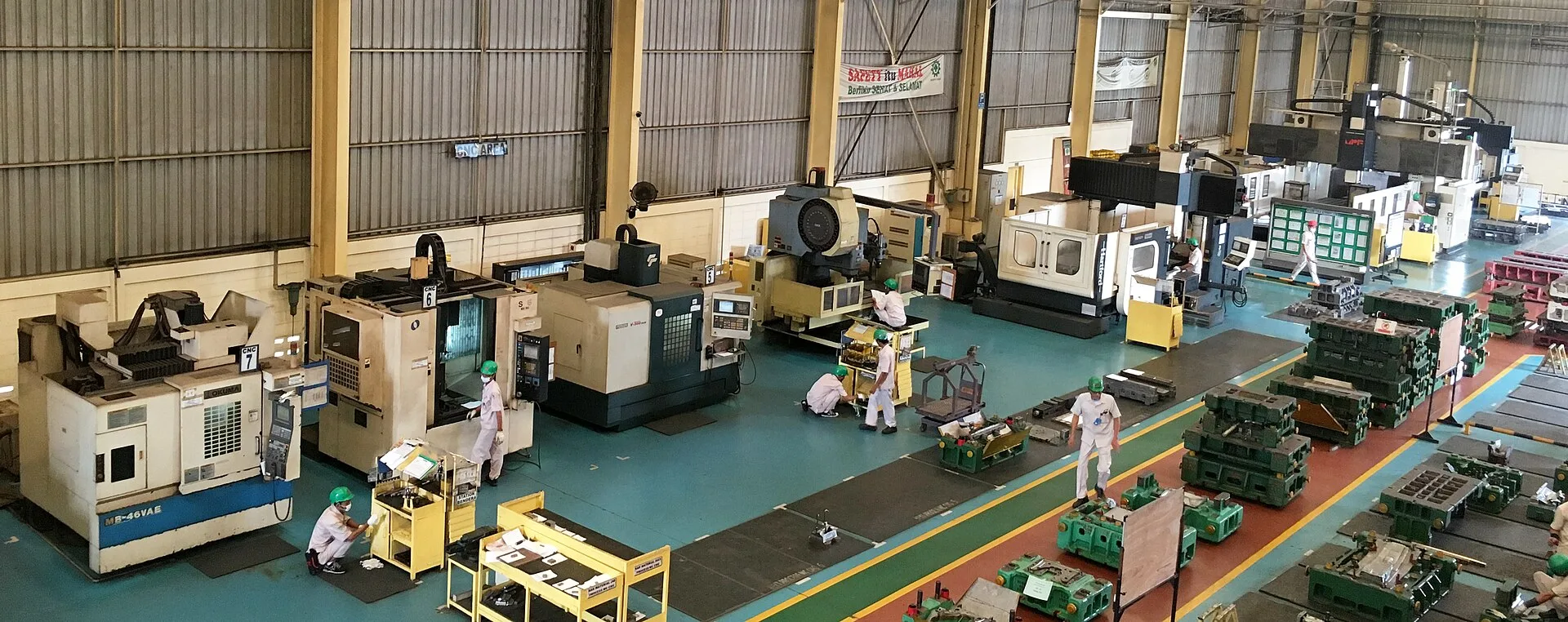
Developing leadership and safety practices in the manufacture of machinery, equipment, and components, considering the work carried out at each site.
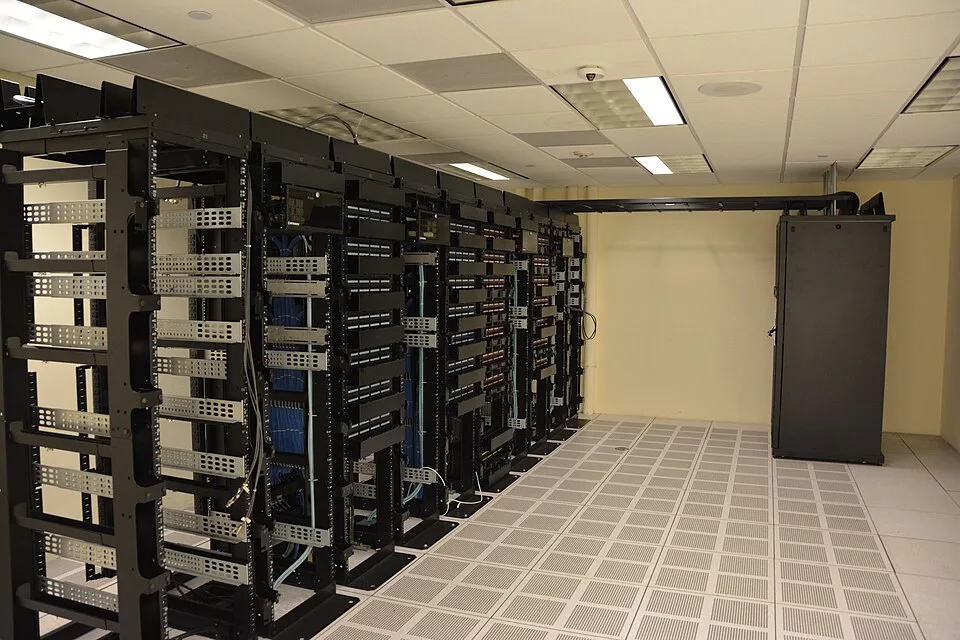
Service continuity depends on the people who install, operate, and maintain the infrastructure. Safety guidance needs to work in those activities.
Describe the activities and audiences your organization needs to involve in the assessment.