
Safety Culture Assessment
Understand management practices and teams’ experiences across different activities.
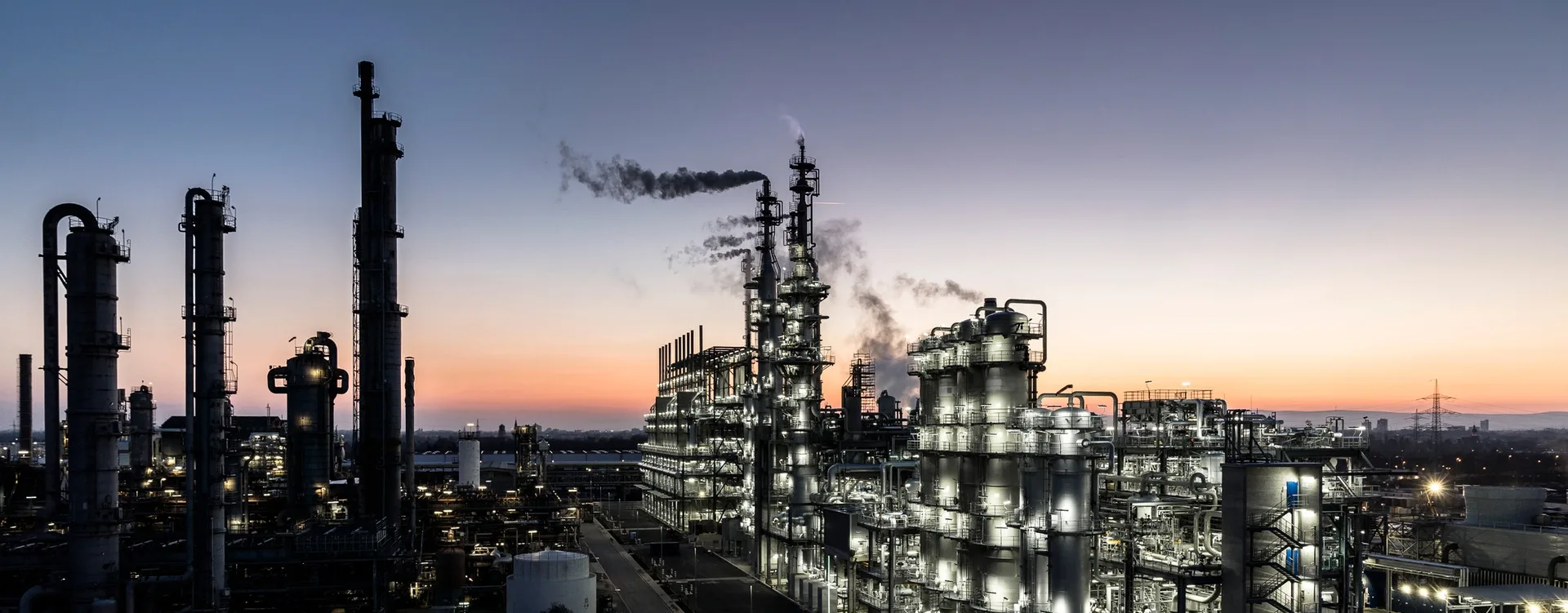
Safety culture influences how people interpret warnings, share information, and make decisions when chemical and petrochemical processes change.
Petrochemicals are part of the chemical industry, with processes linked to raw materials derived from oil and gas. Operations have their own characteristics, but share the need to coordinate production, maintenance, engineering, and safety.
A process change, an abnormal condition, or work on equipment requires different functions to understand what is happening. Alongside procedures, the quality of these conversations matters: what information is shared, what questions remain, and who participates in the decision?
Culture shows in the response to these situations. Openness to reporting a problem, the way a warning is handled, and leaders’ willingness to listen to operations help explain how safety guidance holds up in everyday work.
The assessment may combine listening, observation of practices, and management analysis. The aim is to understand behavior and decisions within the organizational context, drawing on the technical knowledge of the company’s teams.
This understanding guides leadership development, responsibilities, and follow-up on proactive tools. Accident investigation can also contribute to learning by examining working conditions and decisions that need to be reviewed.
Explore our approachUnderstand management practices and teams’ experiences across different activities.
Examine understanding of critical exposures and the monitoring of controls.
Define priorities, responsibilities, and ways to monitor the work.
Support the implementation of practices and follow the difficulties teams encounter.
Understand the conditions and decisions involved to guide organizational learning.
Develop leadership through experiences related to the work context.
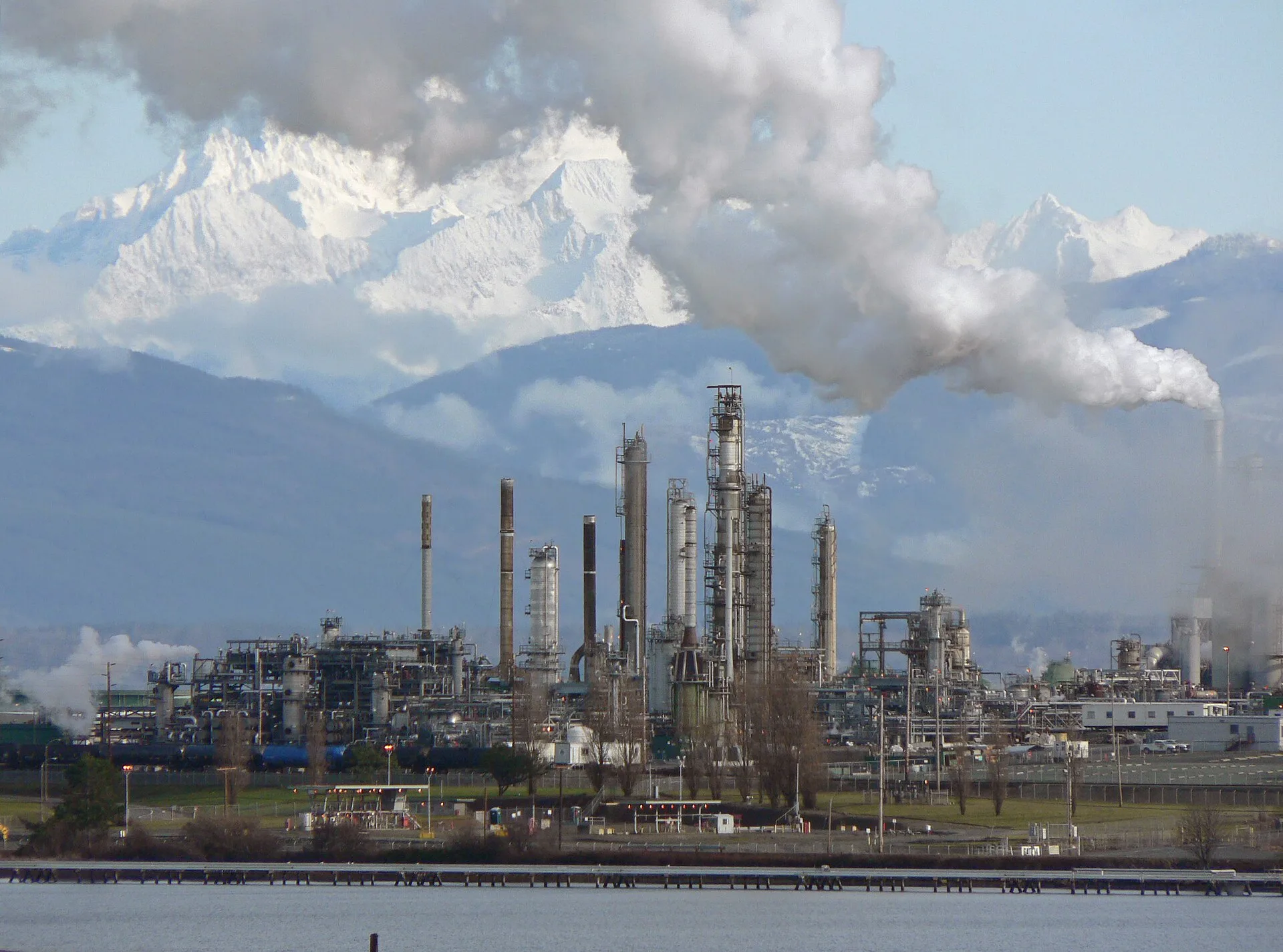
Understanding safety culture across the oil and gas value chain, considering leadership decisions and the involvement of contractors.
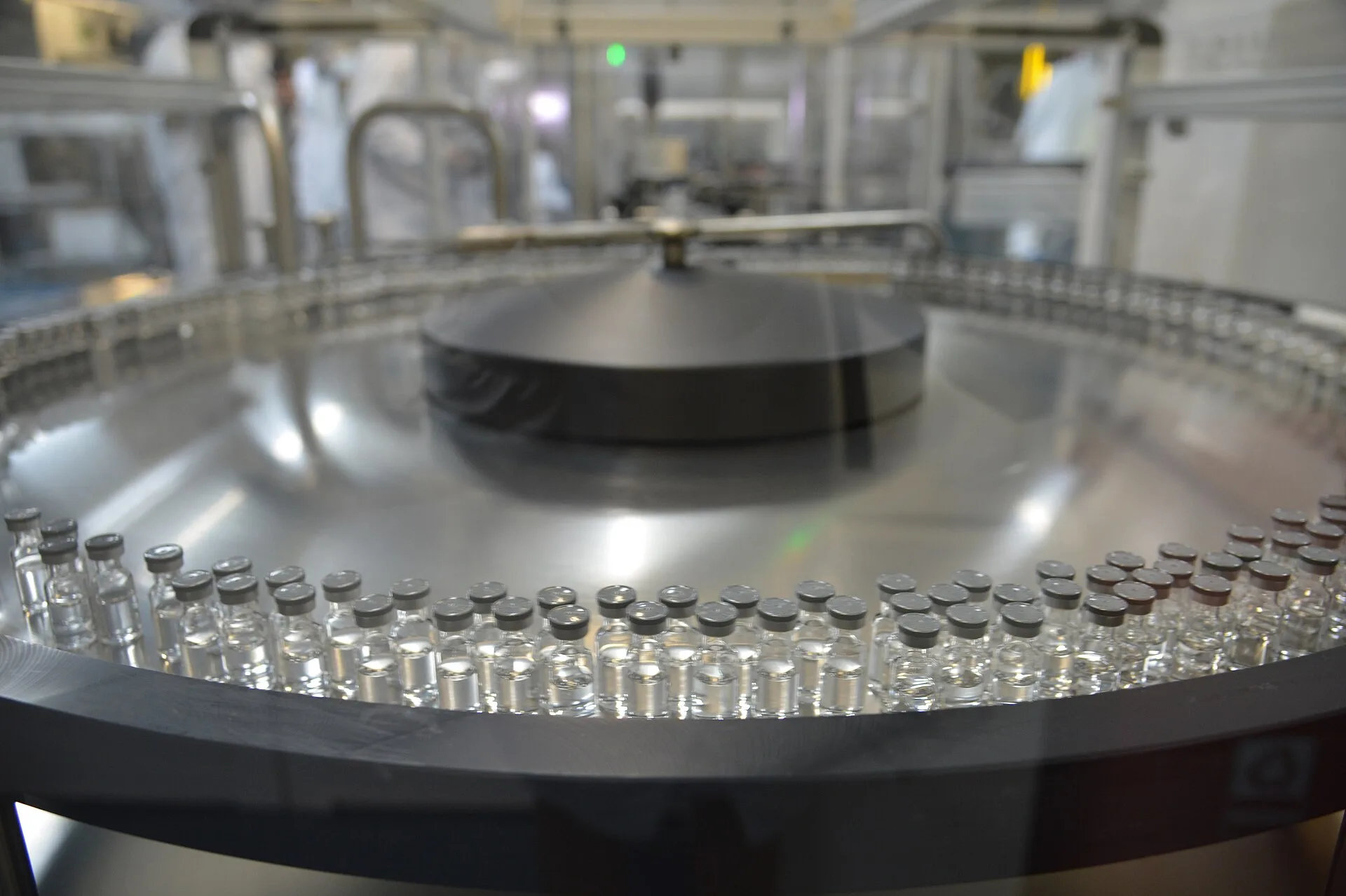
Developing the safety culture of the people who produce, analyze, and maintain pharmaceutical operations, considering the work across production, quality, and support functions.
Describe the processes involved and the safety culture issues your organization needs to understand.