
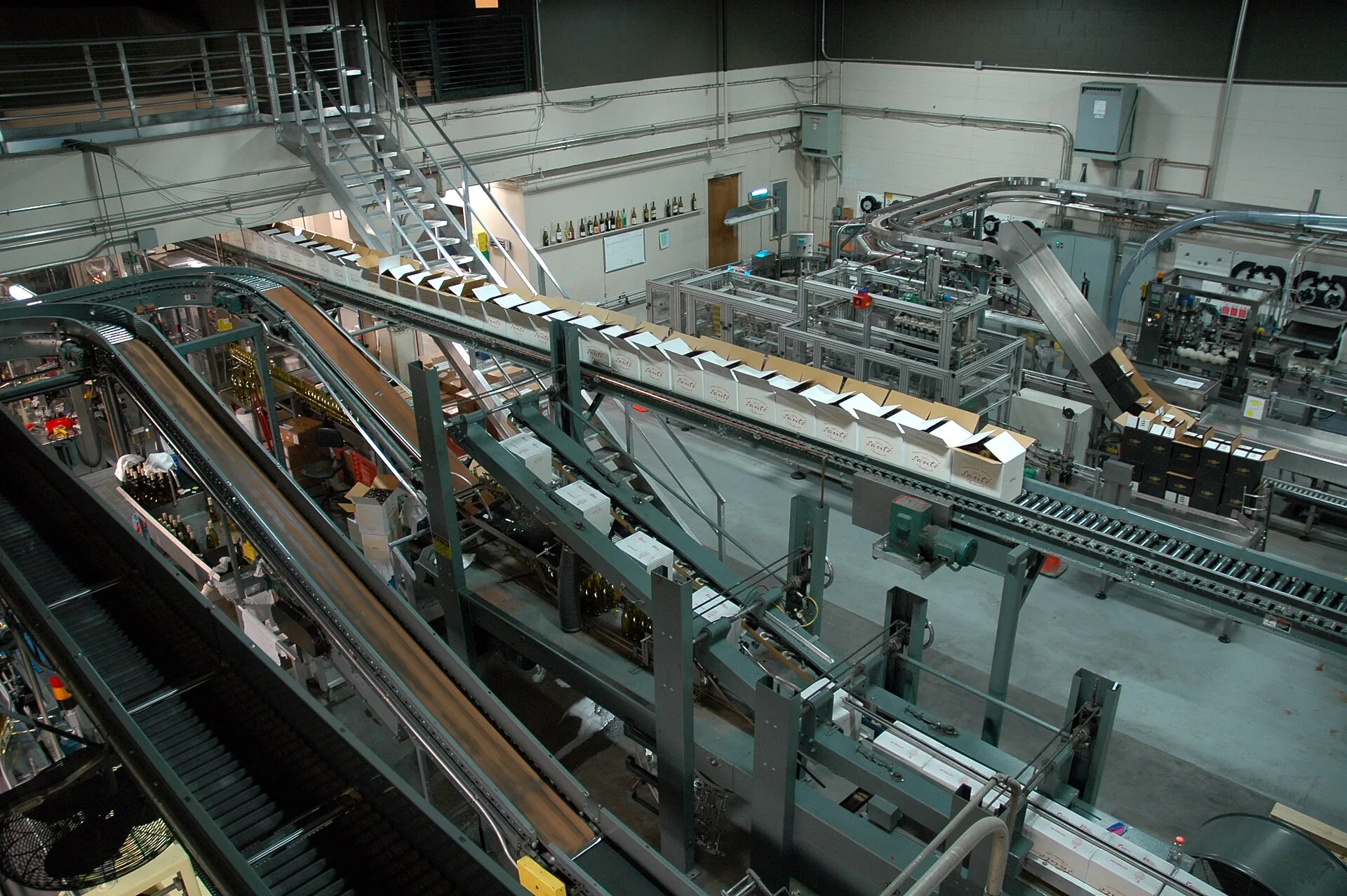
Food and Beverages
Safety culture for those who need to coordinate production, sanitation, and maintenance across different sites and shifts.
Work differs from one industry to another. The way we understand safety culture needs to take those differences into account.
Safety culture for those who need to coordinate production, sanitation, and maintenance across different sites and shifts.
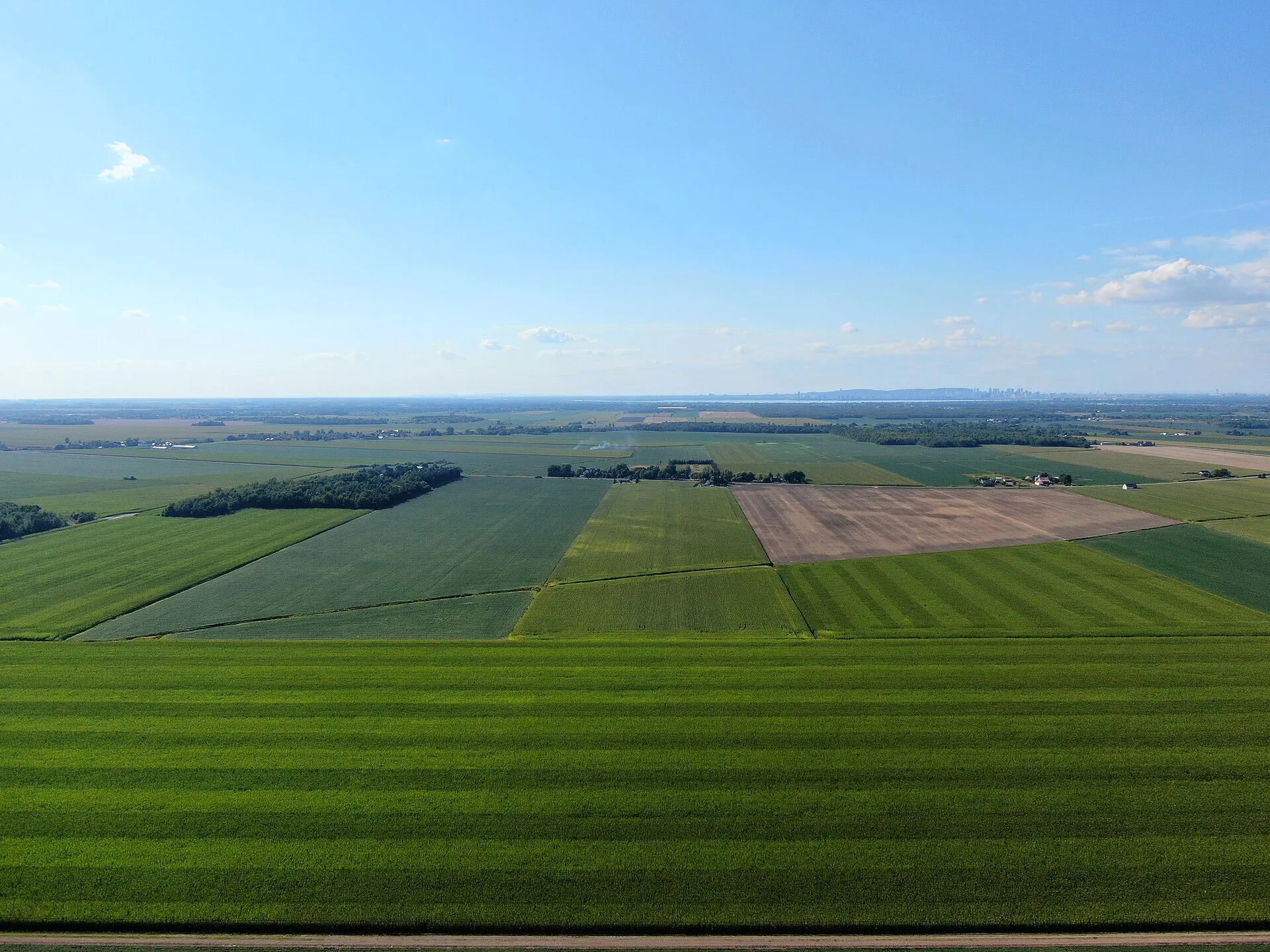
Leadership and safety culture on farms, at harvesting sites, and in storage operations, taking account of the harvest season, distances, and the people doing the work.
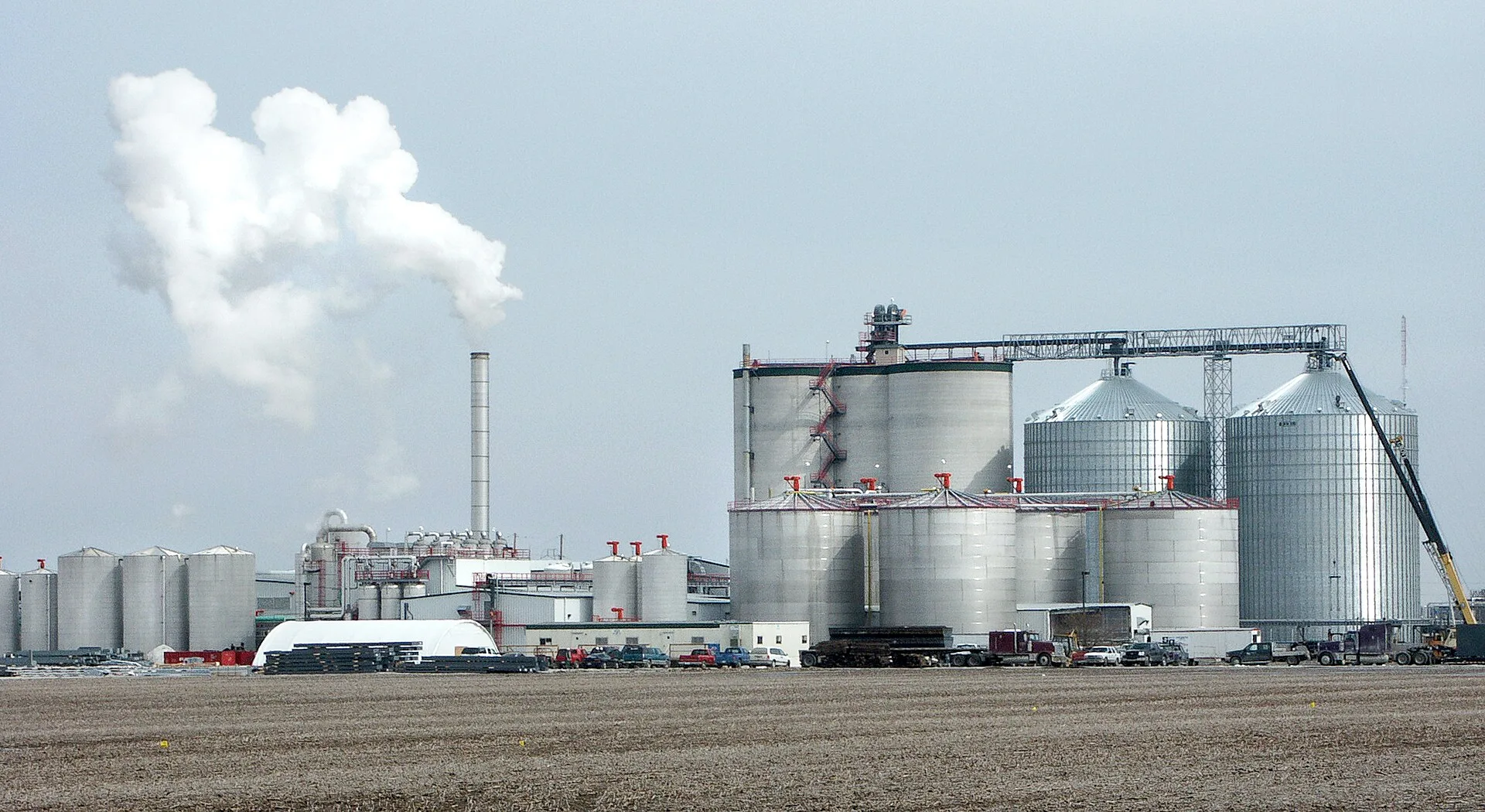
Safety culture in biofuel production and energy generation from biomass, with attention to industrial routines and work carried out on equipment at the sites.
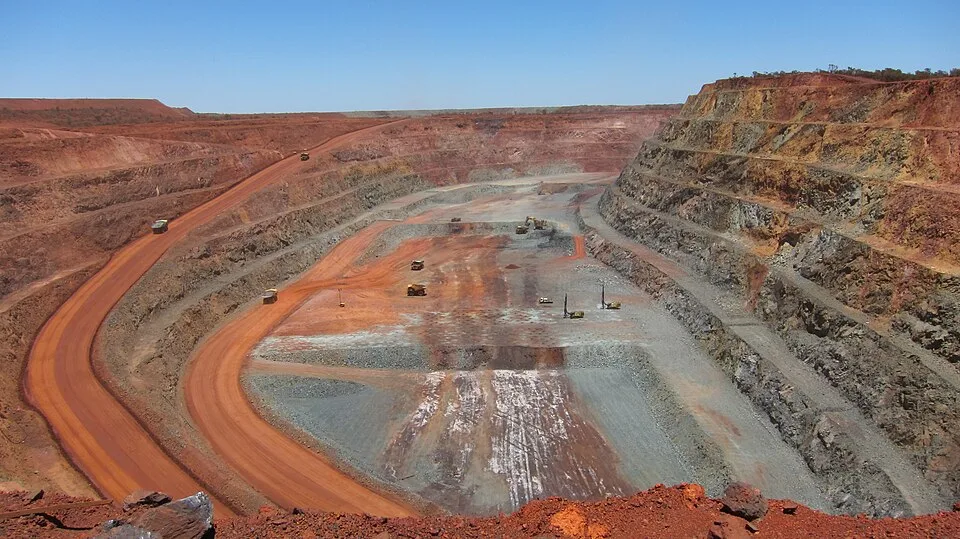
Understanding how teams recognize risks and how leadership sustains safety decisions in extraction, processing, and operational support.
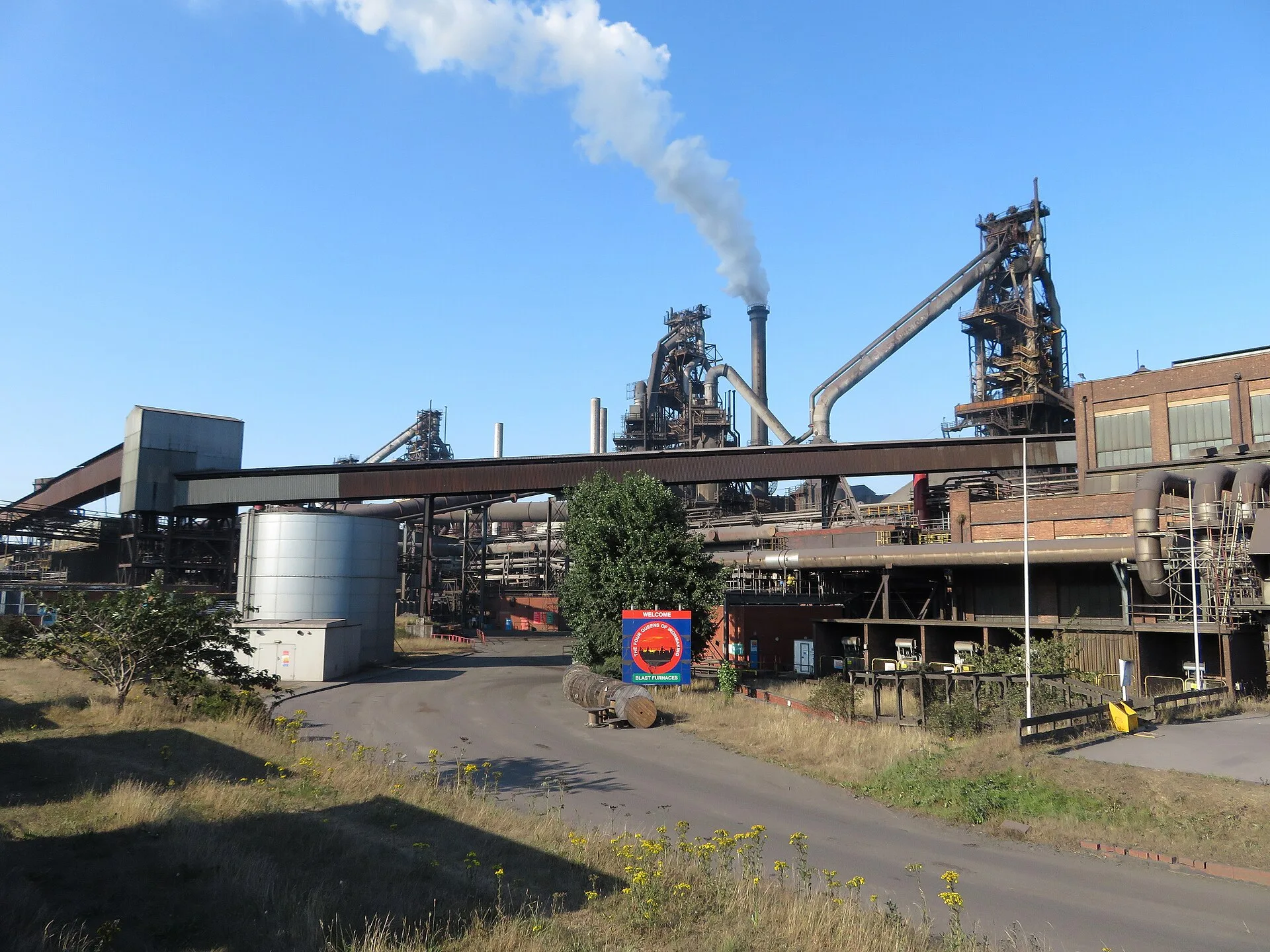
Safety culture in metal processing operations, from material preparation to decisions about production, maintenance, and work on equipment.
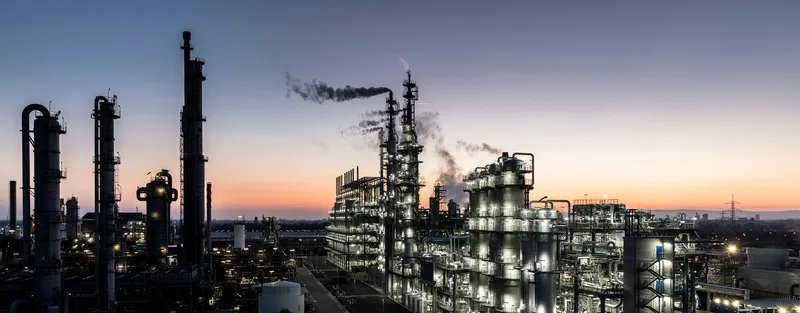
Safety culture influences how people interpret warnings, share information, and make decisions when chemical and petrochemical processes change.
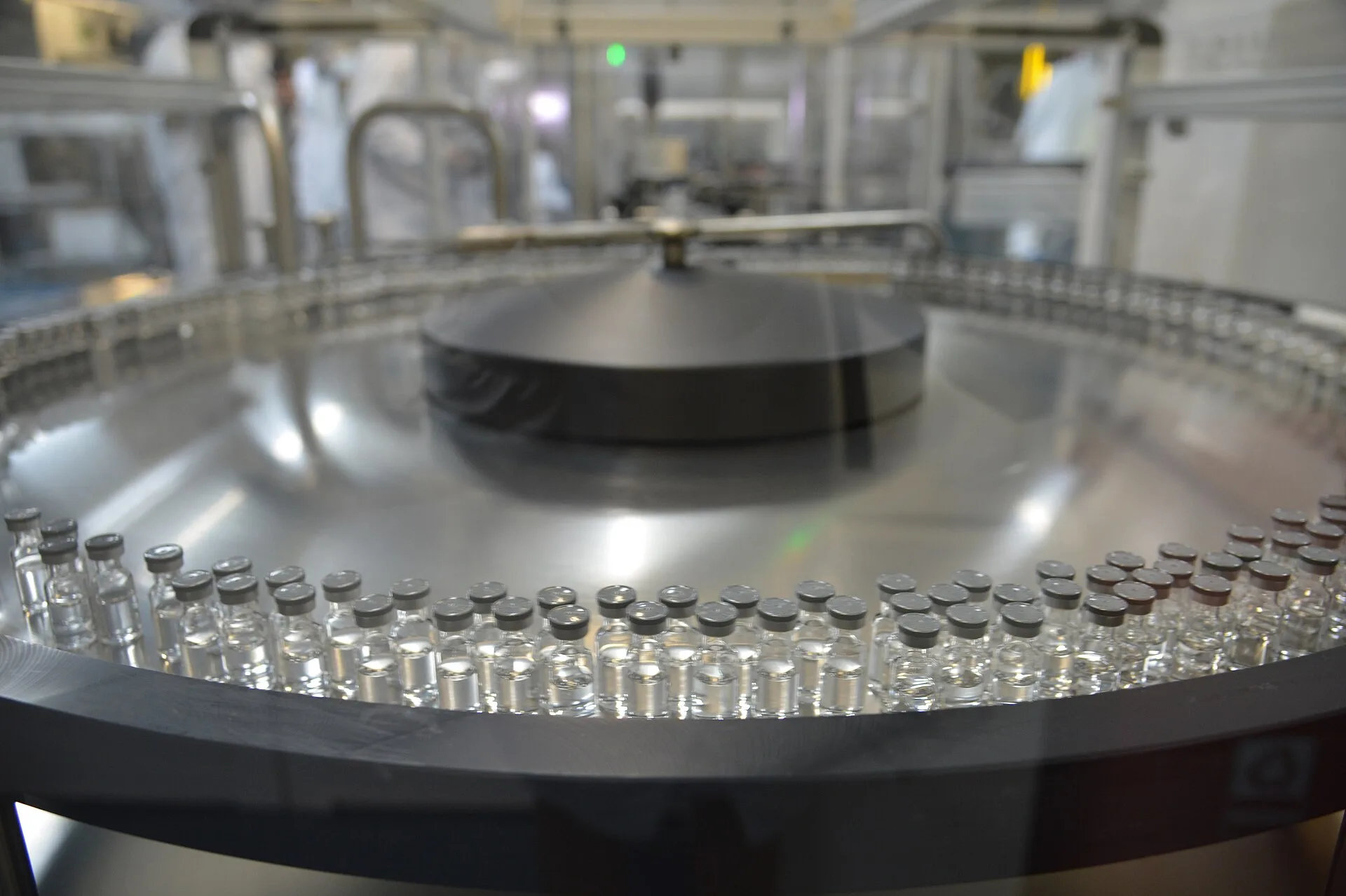
Developing the safety culture of the people who produce, analyze, and maintain pharmaceutical operations, considering the work across production, quality, and support functions.
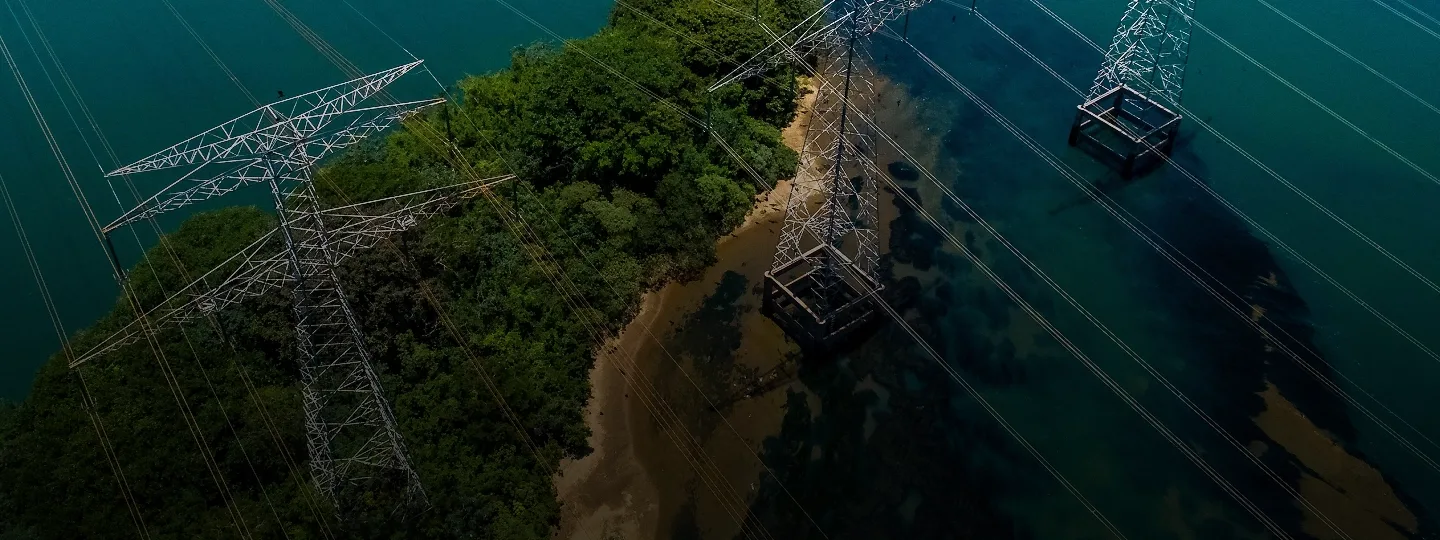
Leadership and safety culture in power generation, transmission, and distribution, with attention to the decisions of those who operate, maintain, and work on electrical infrastructure.
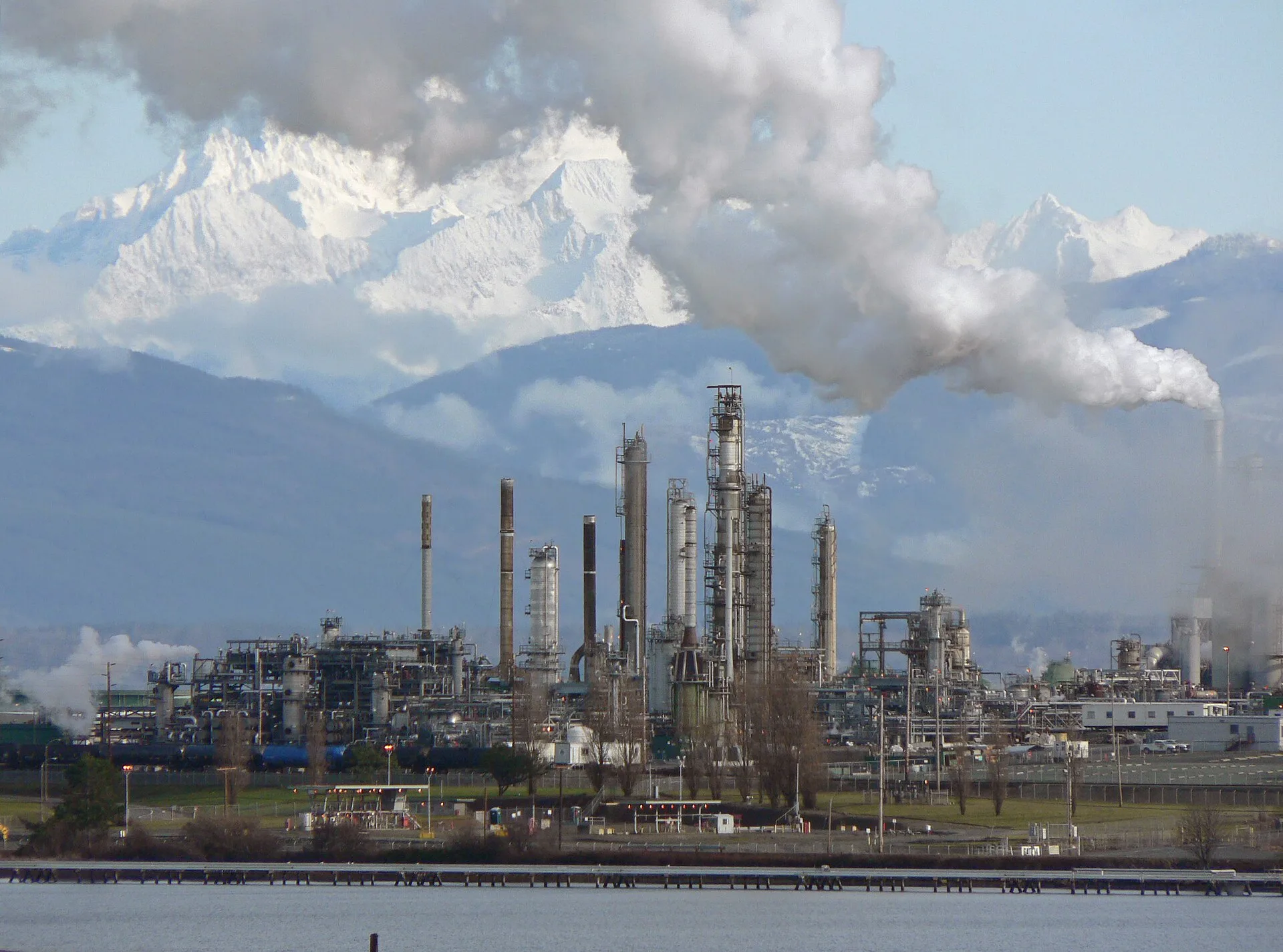
Understanding safety culture across the oil and gas value chain, considering leadership decisions and the involvement of contractors.
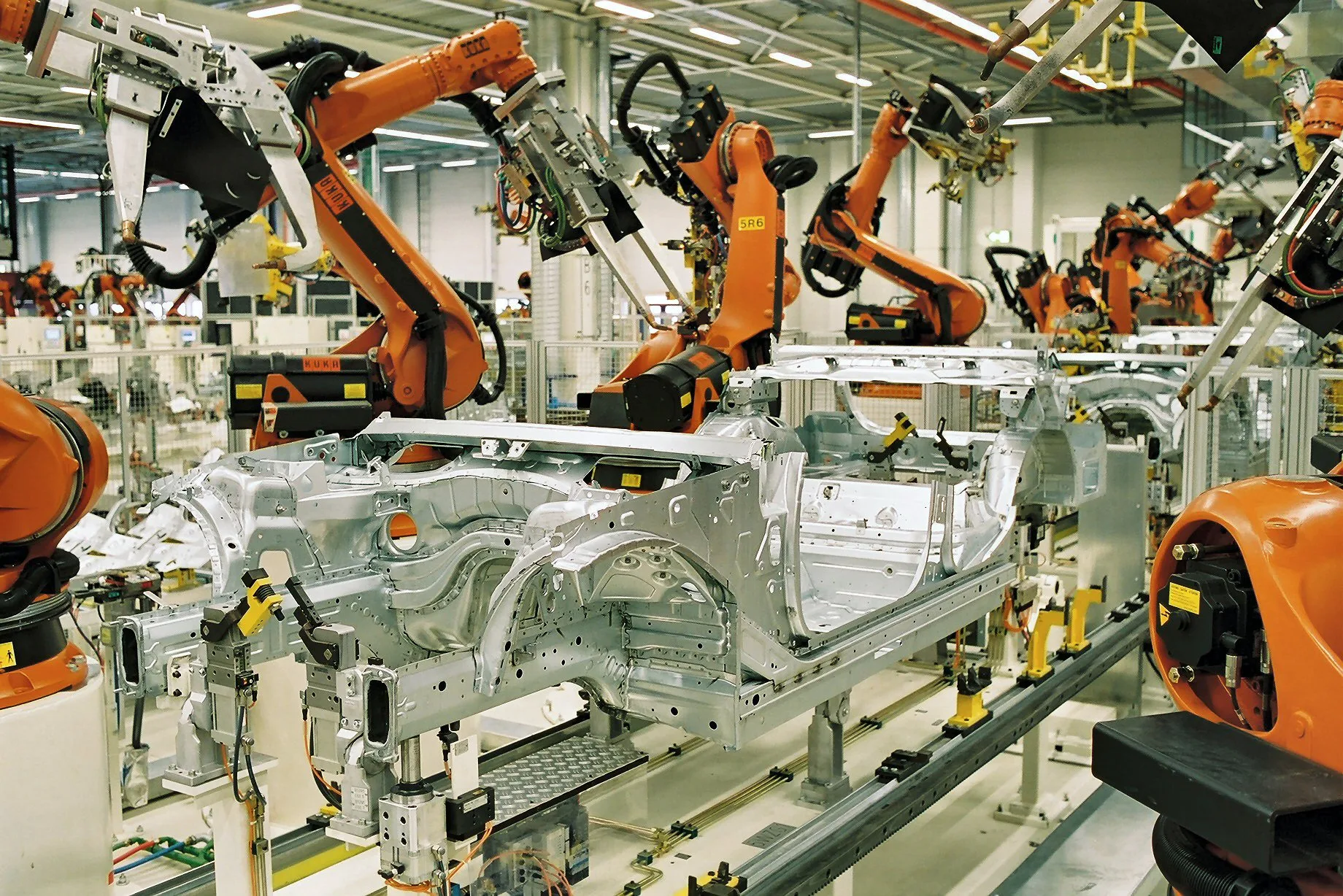
Safety culture in vehicle and component factories, considering the pace of production, process changes, and the interaction between people and equipment.
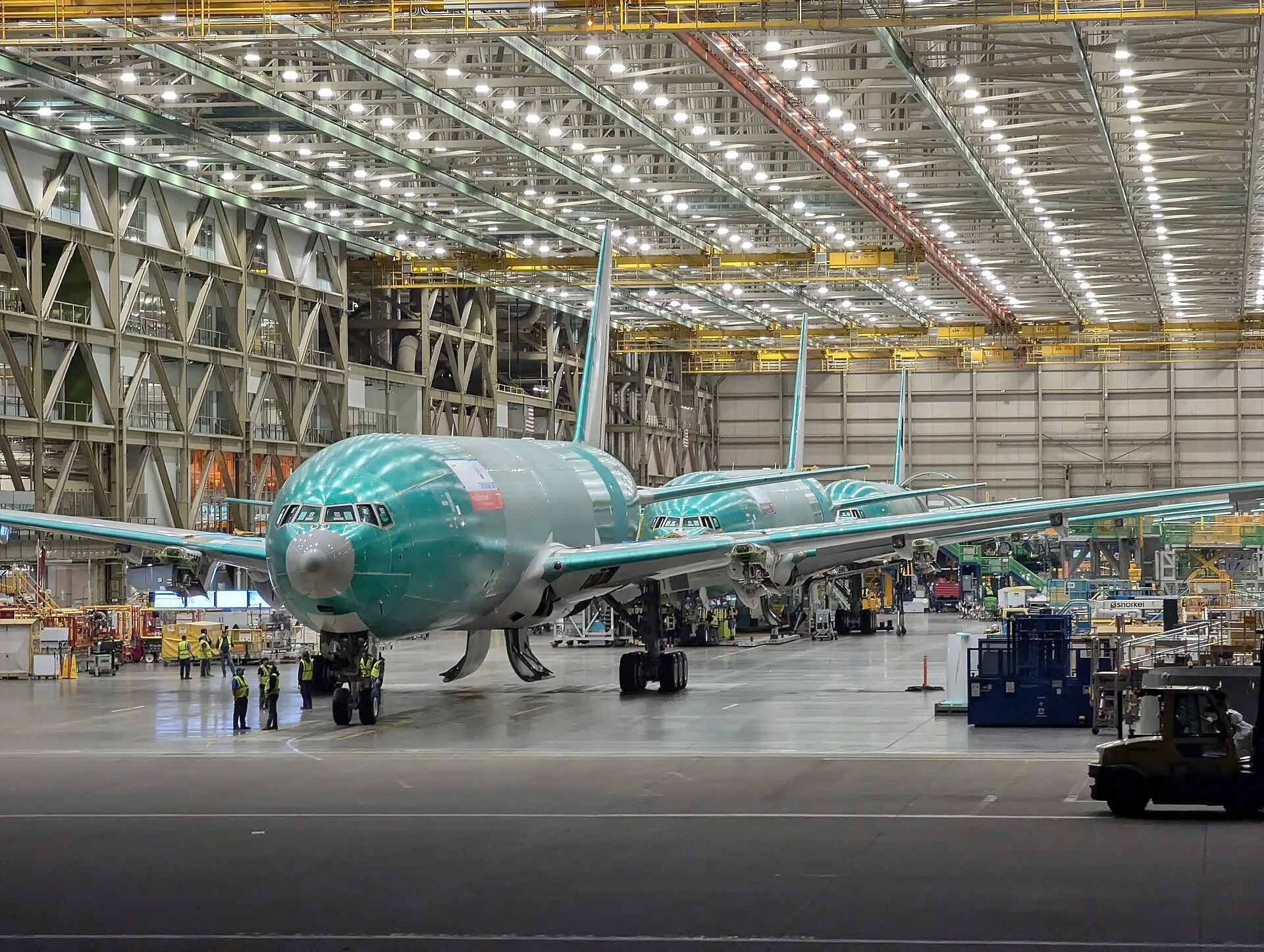
The safety culture of the people who manufacture, assemble, test, and maintain aerospace products, with attention to work coordination and leadership responsibilities.
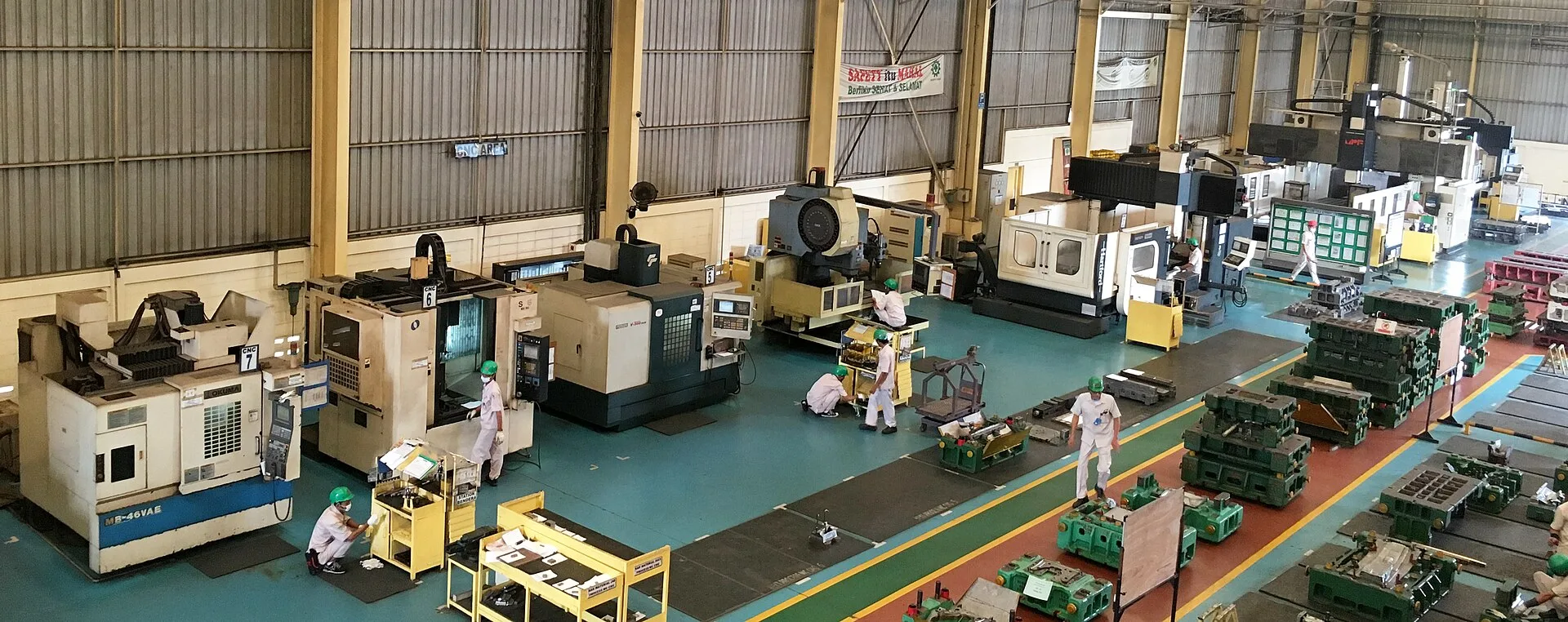
Developing leadership and safety practices in the manufacture of machinery, equipment, and components, considering the work carried out at each site.
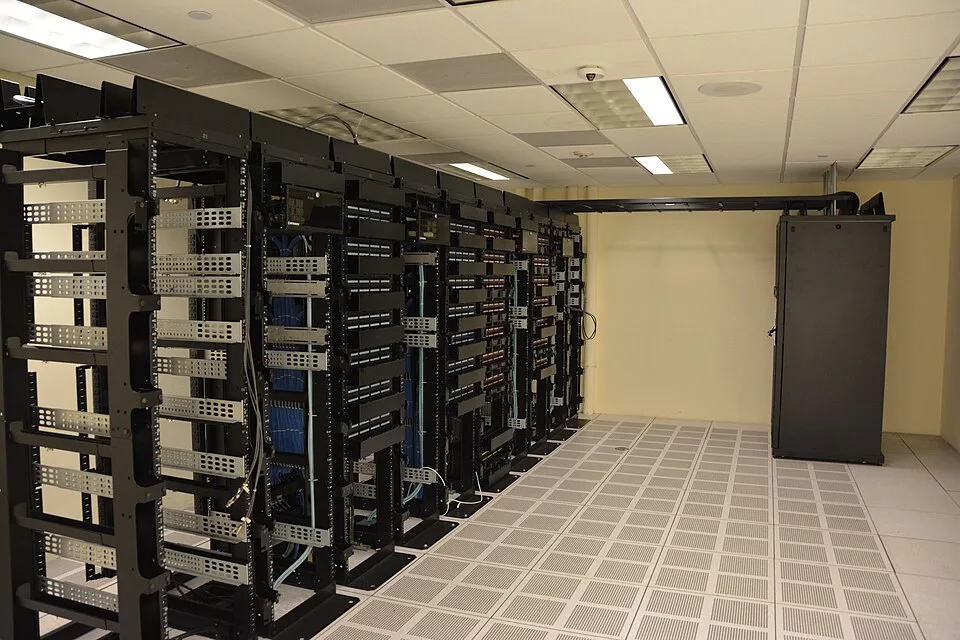
Service continuity depends on the people who install, operate, and maintain the infrastructure. Safety guidance needs to work in those activities.
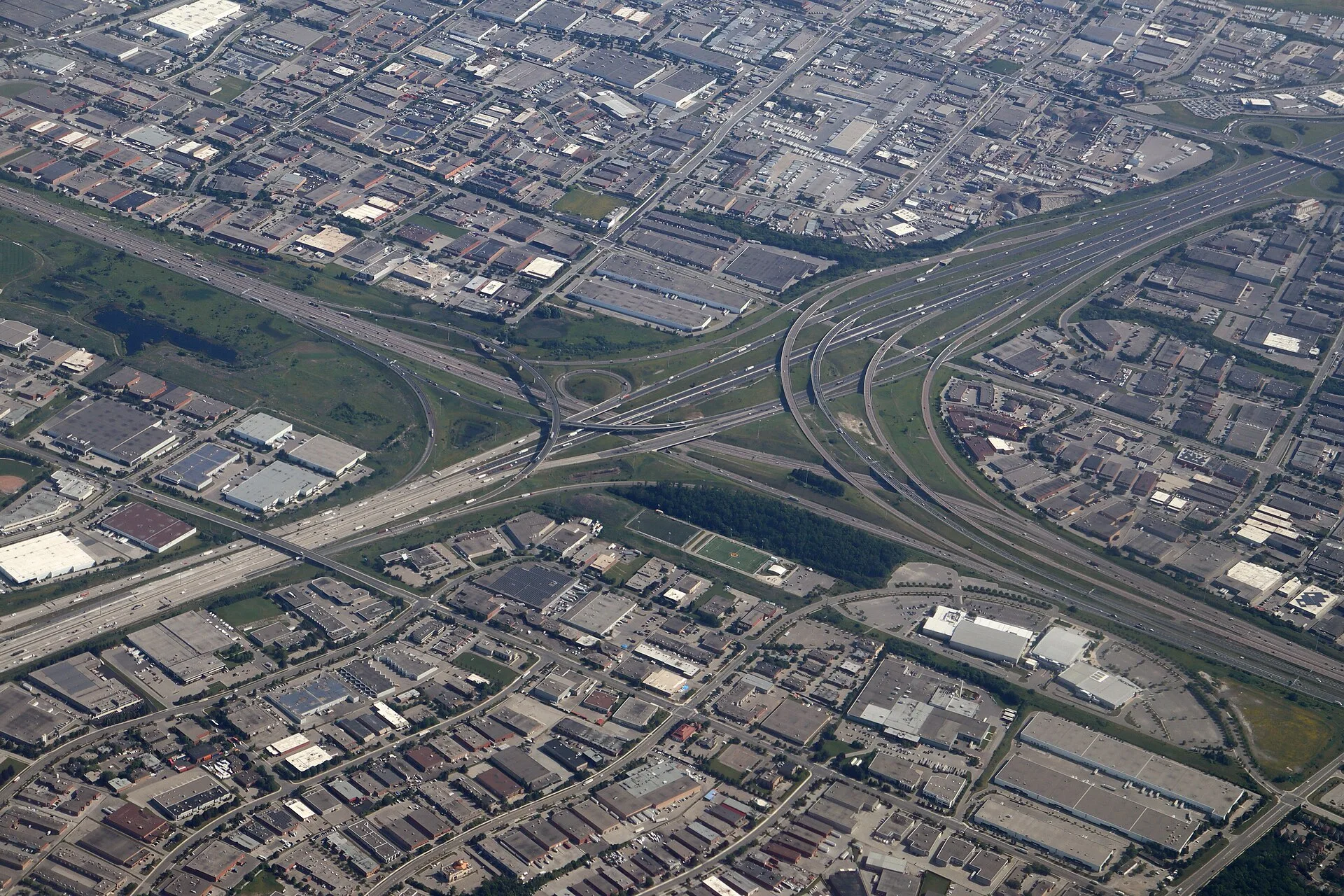
Safety culture in the construction, operation, and maintenance of major assets, with attention to decisions involving concession operators, local teams, and contractors.
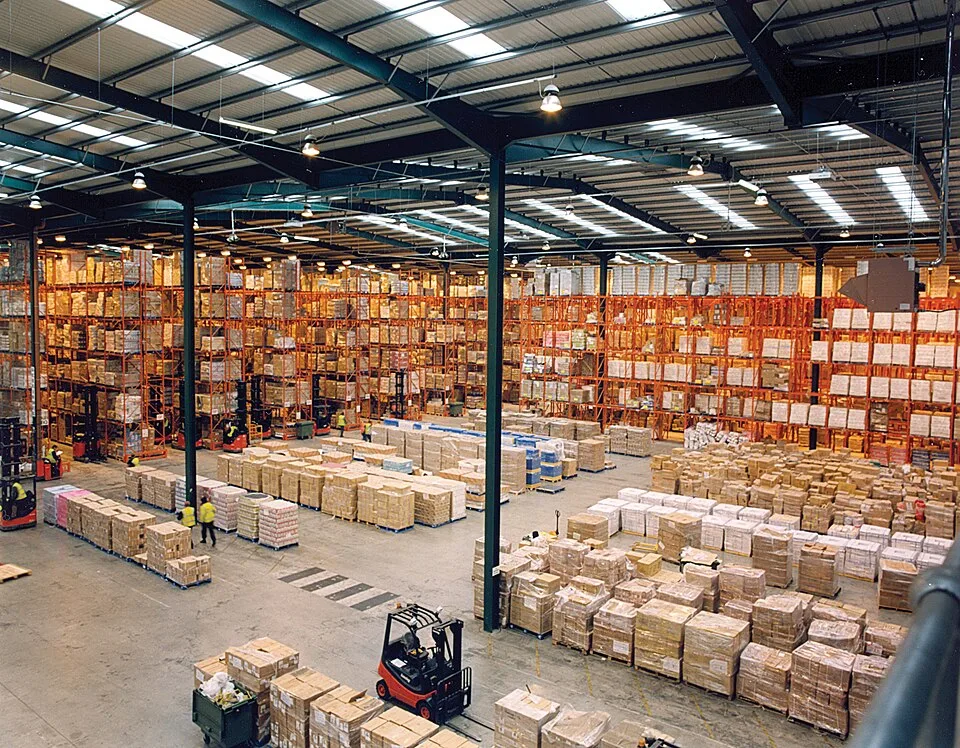
Leadership and safety culture in warehousing, cargo handling, and transportation, considering the decisions that connect each stage of the operation.
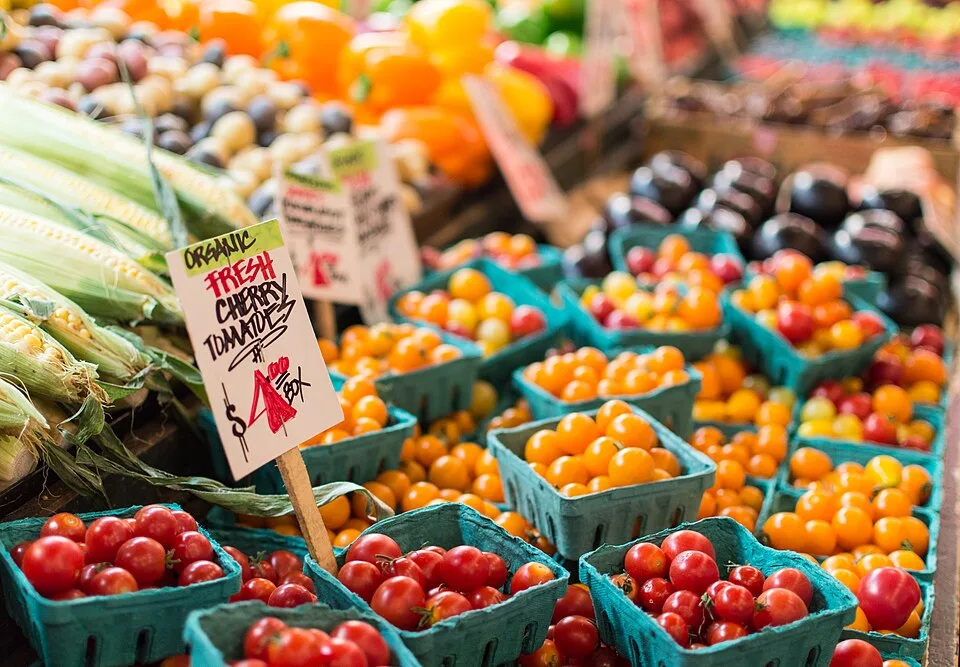
Safety culture in stores and the operations that supply them, with attention to the role of local managers, supervisors, and teams working different shifts.
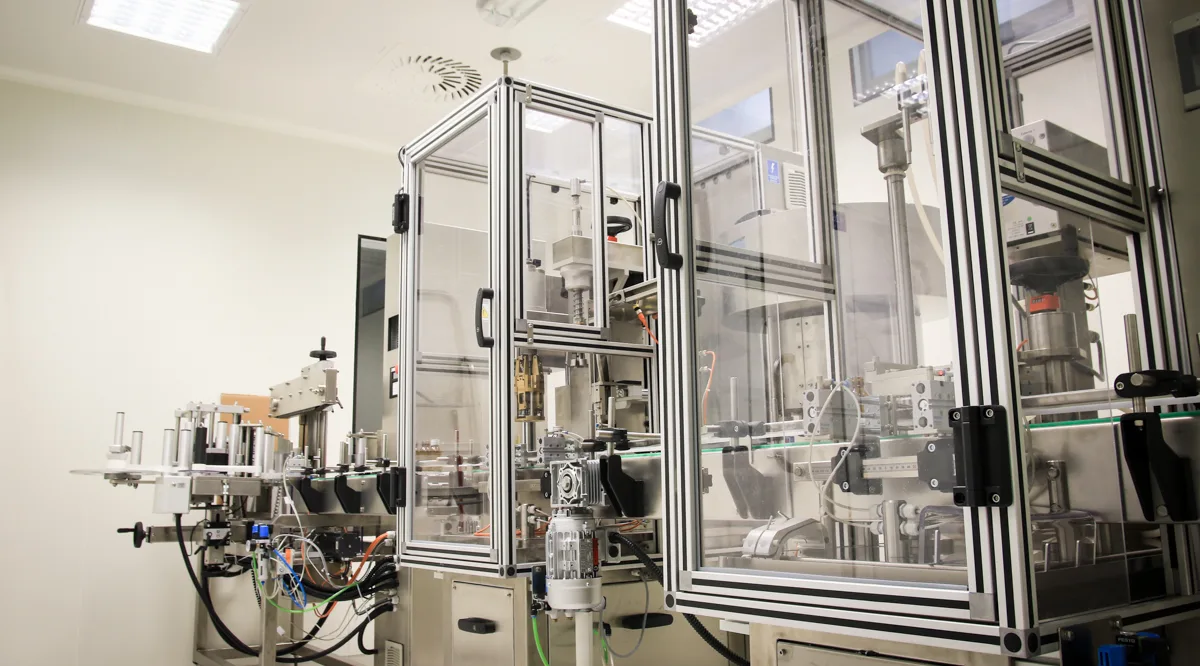
Safety culture in the manufacture of everyday products, considering the teams, production changes, and activities that sustain the operation.
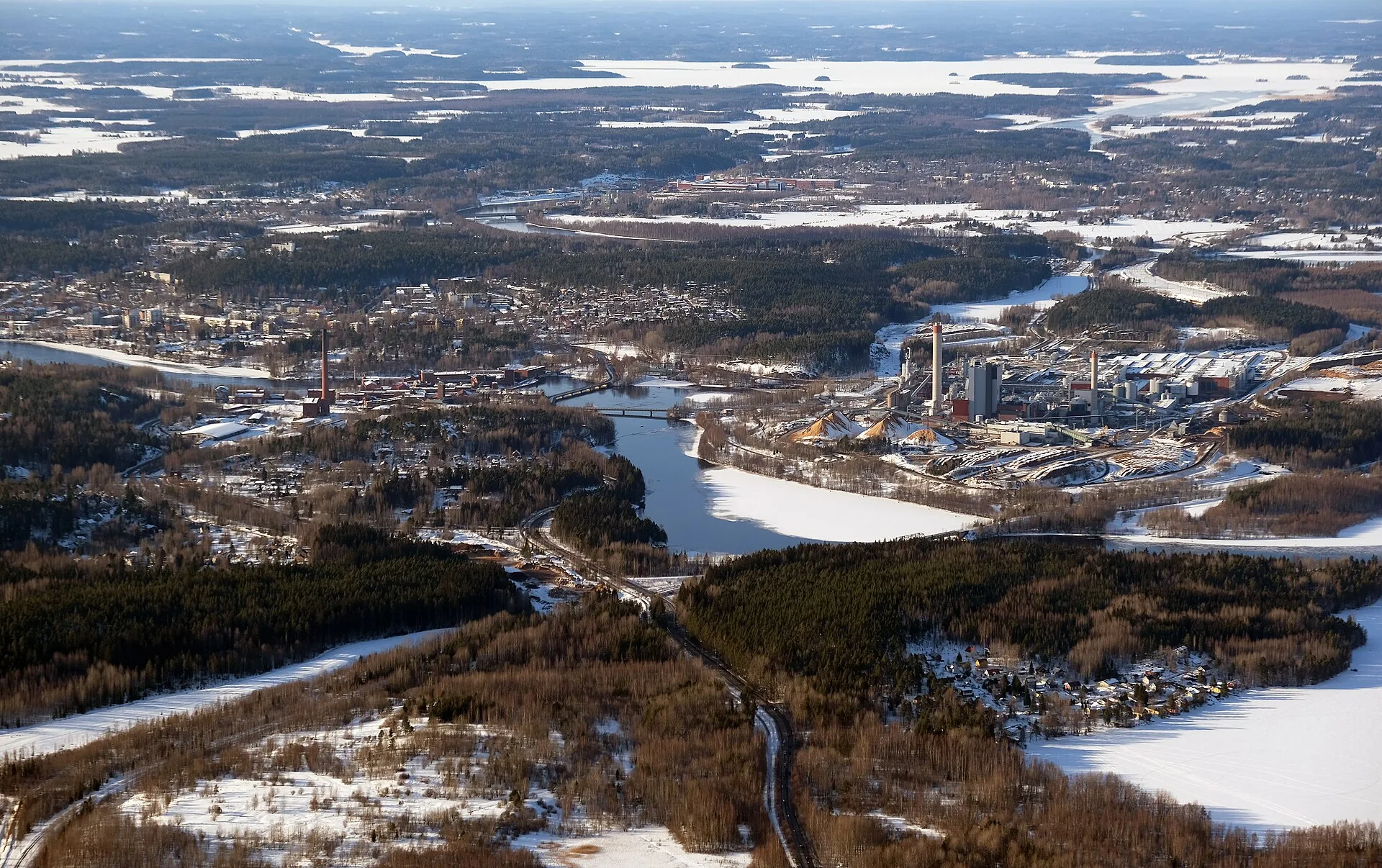
From forestry to paper converting, safety management needs to consider continuous processes, major work on equipment, and the work of contractor teams.
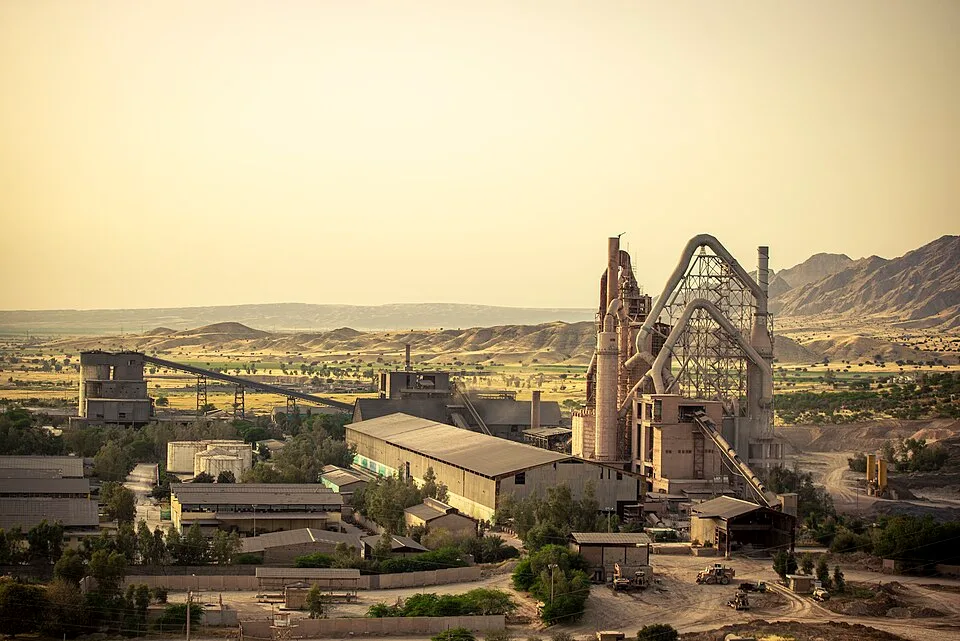
A construction project moves from one phase to the next. A factory alternates between production and work on equipment. In each situation, planning and execution need to share the same understanding of the risks.
Industry experience helps recognize workplace situations and ask more precise questions. Even so, companies producing the same thing may respond very differently to a warning, a stoppage, or a leadership decision.
That is why the work considers what happens in operations and how management participates in those choices. Andreza Araújo personally leads projects, with team involvement according to the scope.
Explore our approachShare the industry, the sites involved, and the safety issue that needs attention.