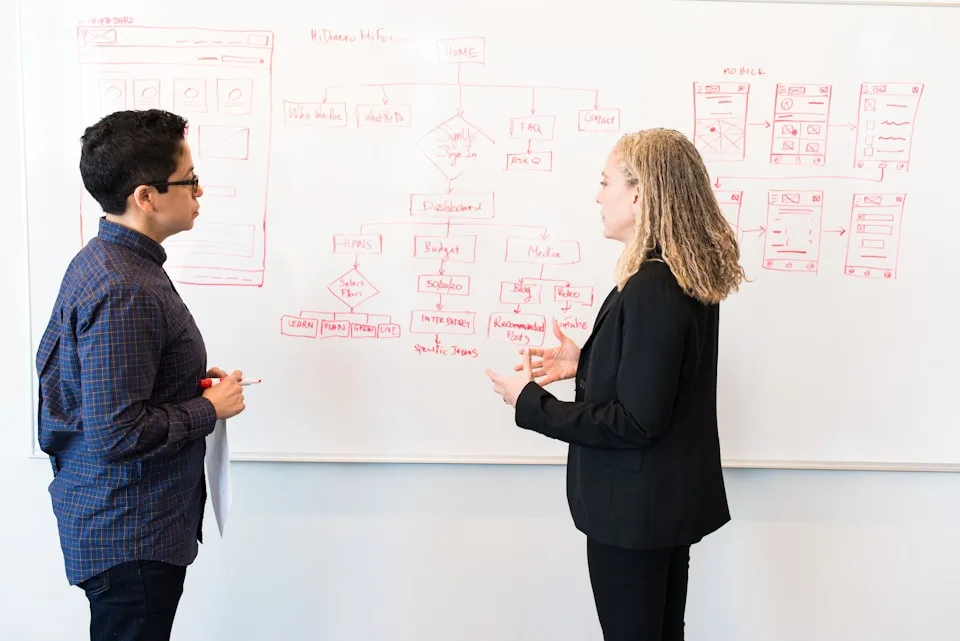
Training
In-person or remote training for specific needs in safety knowledge and practice.
Explore the service
Leaders, technical professionals, and operations teams have different responsibilities when facing risks. The Academy organizes ongoing development for these audiences, with content, practice, and follow-up linked to their work.
Discuss the AcademyDuring development, each audience needs to understand the risks they encounter and what is expected of them. Learning paths are organized around these responsibilities so that knowledge builds over time and can be applied in the organization’s routines.
The design starts with the audiences, the decisions they need to make, and the situations they encounter at work. Based on this understanding, the Academy may include:
Format, duration, and the combination of resources are defined with the organization according to the audiences, objectives, and scope of work.
Training meets a specific need for knowledge or practice. The Academy organizes different development activities into an ongoing structure, connecting audiences, topics, and responsibilities.
Training can be part of the Academy, but it can also be commissioned independently for a specific objective.
The published projects document training sessions and workshops carried out with General Electric, Johnson & Johnson, EMS, CHS, and Minerva Foods. Topics include culture, leadership, risk perception, communication, and behavioral observation. Together, they document experience in corporate development on the topics that underpin the Academy.
In this article, I reflect on how a leader’s voice contributes to safety culture.
In-person or remote training for specific needs in safety knowledge and practice.
Explore the serviceNine weeks of practical experiences and mentoring, adapted to the organization’s context.
Explore the serviceTell us who needs to participate, which topics are priorities, and what safety development is already in place.