
2026 · In progress
Vale
The Caçadores de Risco program, competency development, and critical controls for fuel stations and storerooms in base metals operations.
Explore the project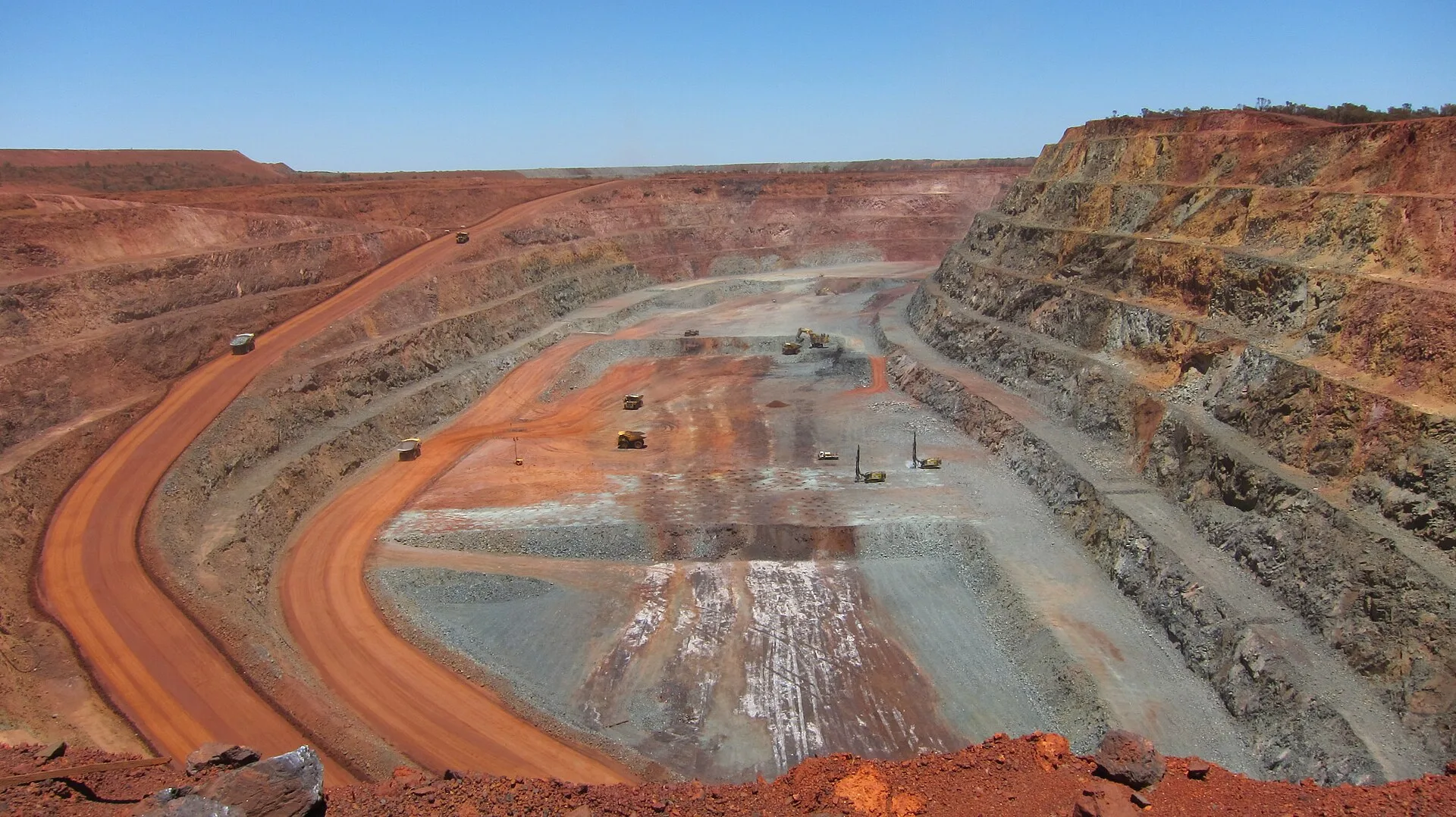
Understanding how teams recognize risks and how leadership sustains safety decisions in extraction, processing, and operational support.
Mining brings together very different work environments. Extraction, processing, material handling, and maintenance have their own rhythms and exposures. Storerooms, refueling, and other support activities are also part of this routine and need to be included in the understanding of safety culture.
At the boundaries between areas, a decision can affect someone elsewhere in the operation. We need to understand how information circulates, how risks are discussed, and who monitors conditions that need attention. Having a tool available is only part of this work.
Leadership’s role deserves close examination: which situations reach managers, how do they respond to questions, and what do they follow in the field? These choices help explain the gap between formal guidance and practice.
The assessment considers the different audiences and work environments in the operation. Conversations, observations, and data help identify issues that should guide planning, leadership development, and the use of management tools.
Serious and fatal accident prevention may form part of this scope, with attention to understanding critical risks and monitoring controls. Priorities are defined with the organization, respecting the characteristics of the sites and activities involved.
Explore our approach2026 · In progress
The Caçadores de Risco program, competency development, and critical controls for fuel stations and storerooms in base metals operations.
Explore the projectUnderstand management practices and teams’ experiences across different activities.
Examine understanding of critical exposures and the monitoring of controls.
Define priorities, responsibilities, and ways to monitor the work.
Support the implementation of practices and follow the difficulties teams encounter.
Understand the conditions and decisions involved to guide organizational learning.
Develop leadership through experiences related to the work context.
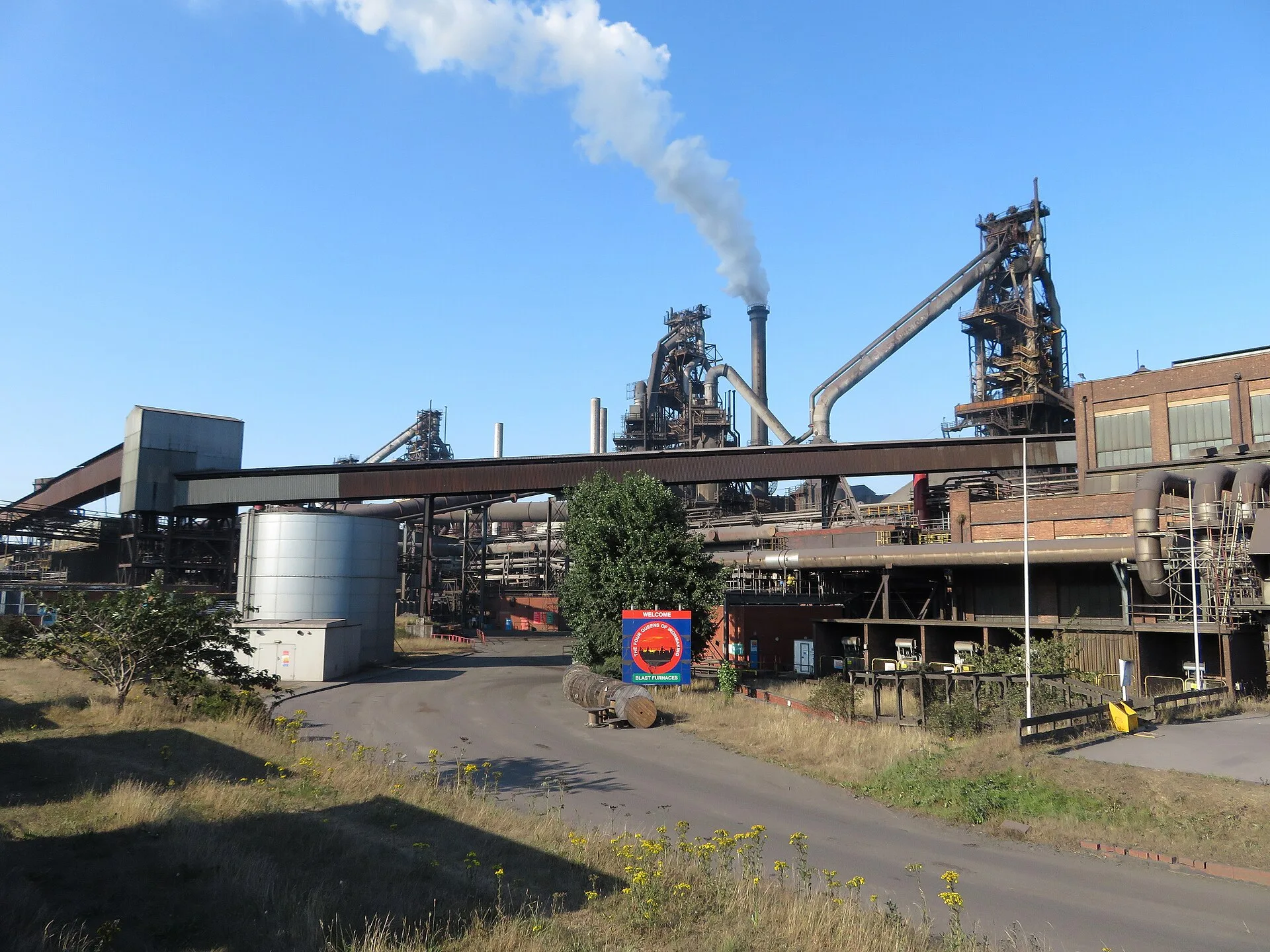
Safety culture in metal processing operations, from material preparation to decisions about production, maintenance, and work on equipment.
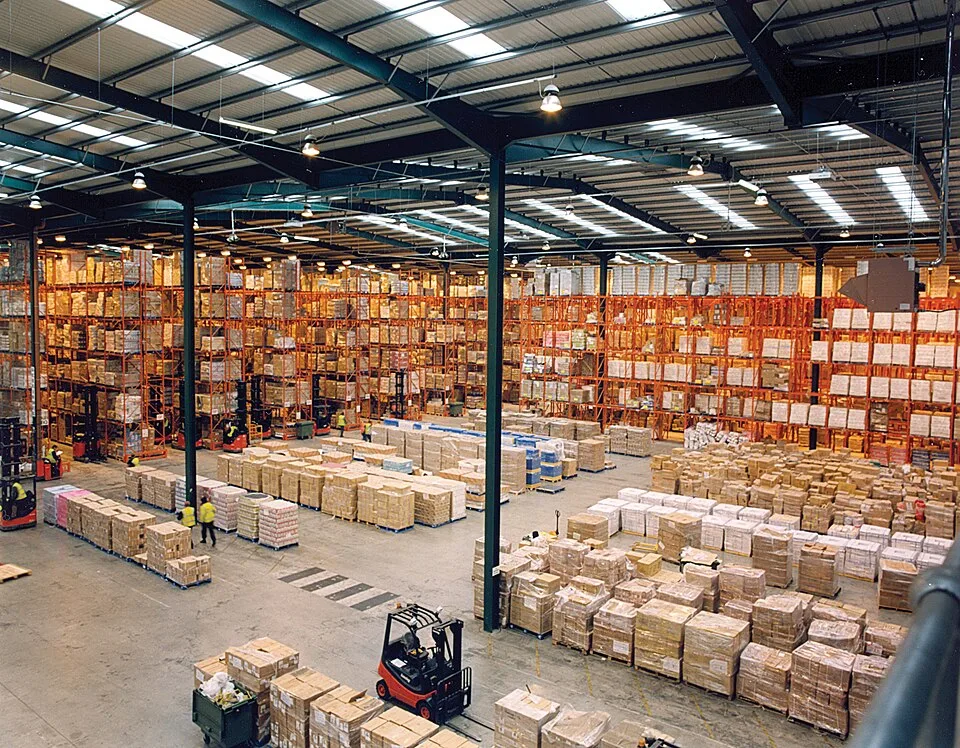
Leadership and safety culture in warehousing, cargo handling, and transportation, considering the decisions that connect each stage of the operation.
Share which sites and activities need to take part in the safety culture assessment.