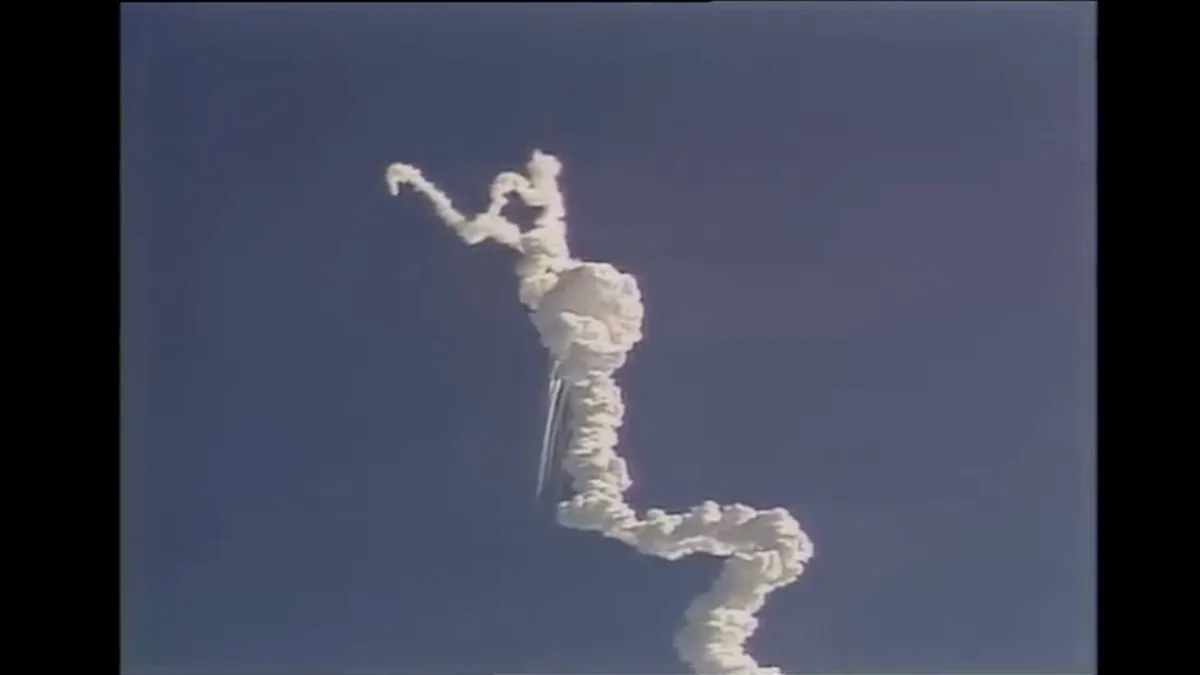
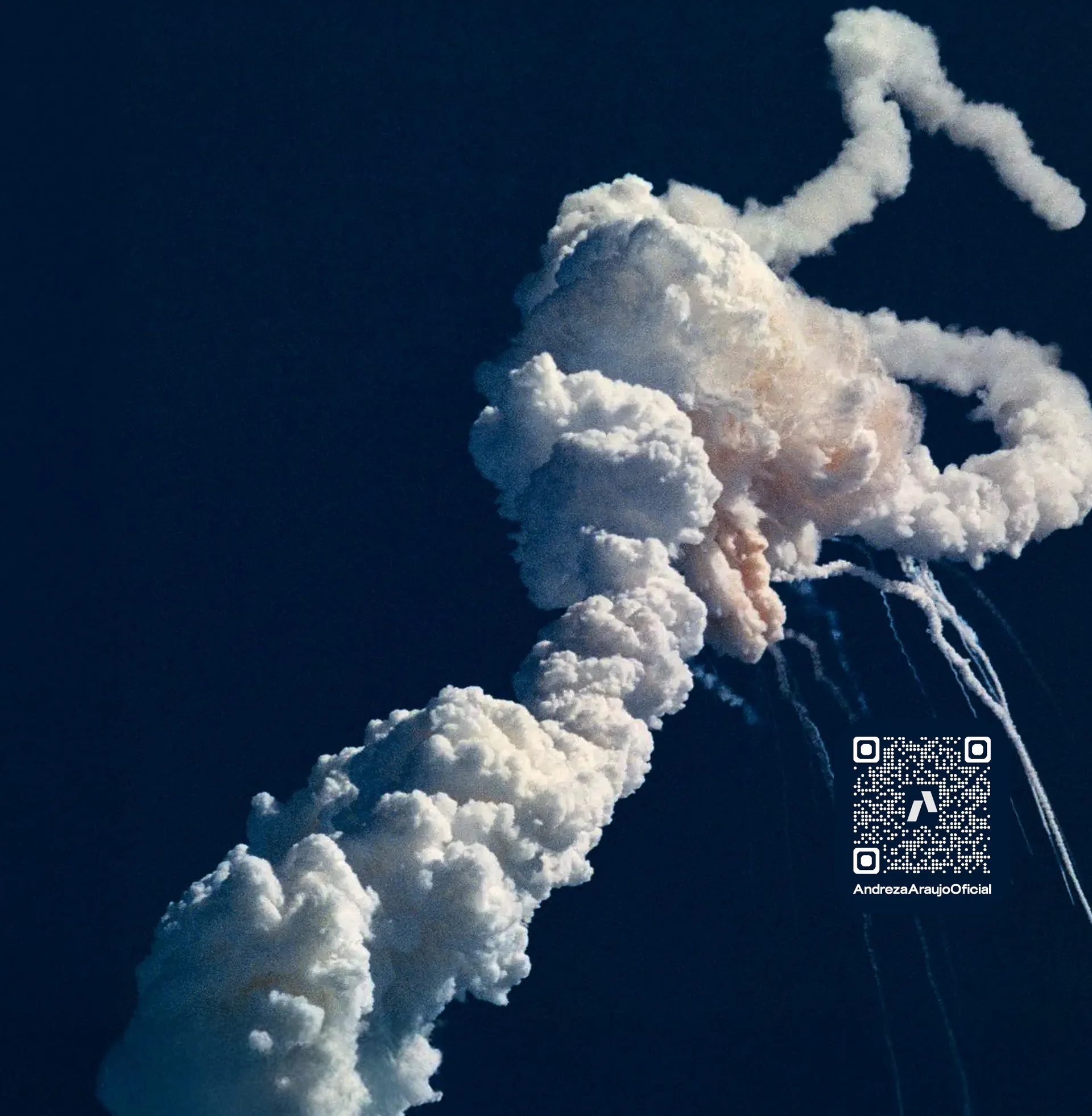
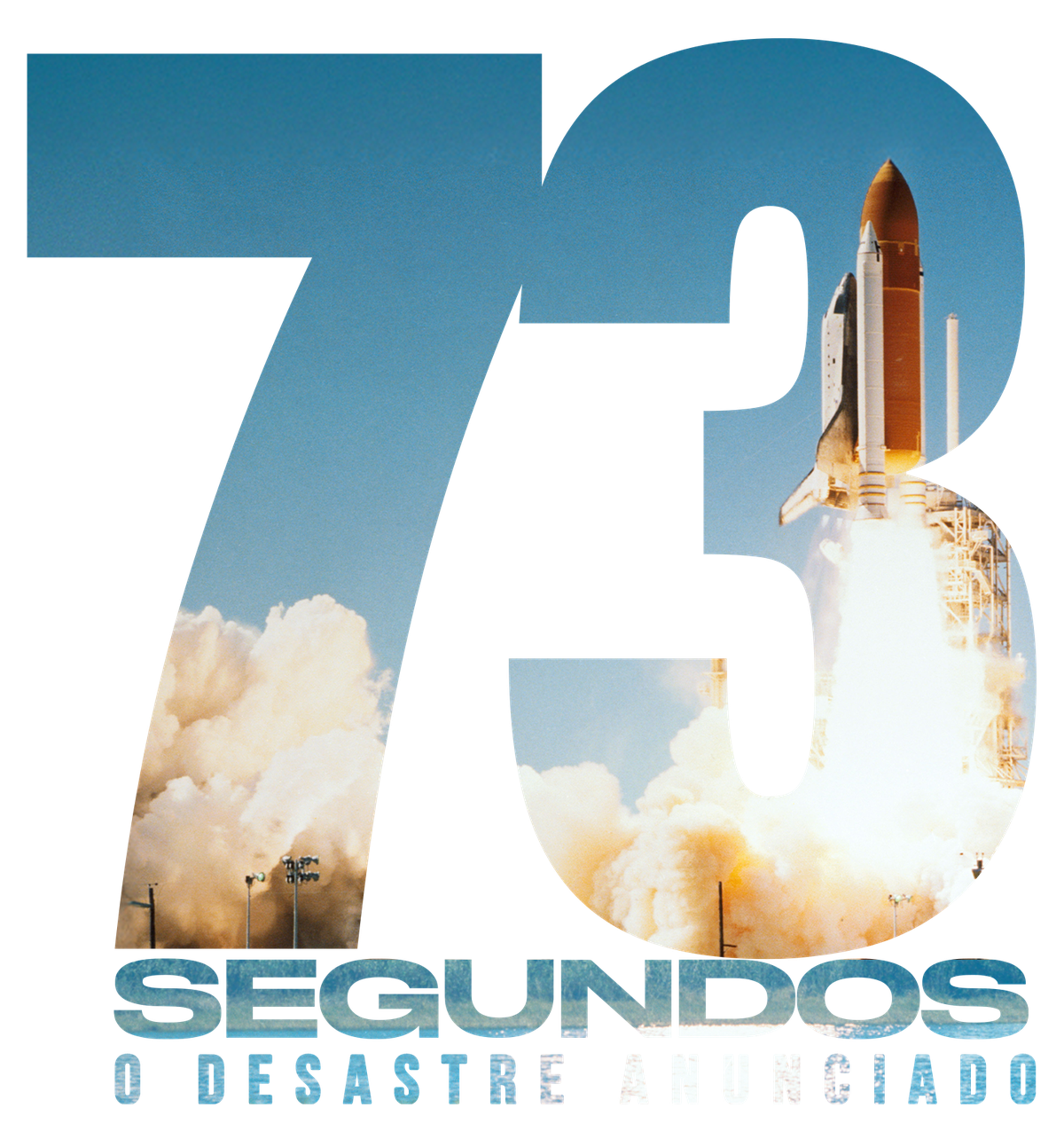
Launch of the Space Shuttle Challenger on January 28, 1986, showing the Y-shaped smoke trail after the orbiter broke apart 73 seconds after liftoff
40 YEARS LATER
JAN 28, 1986 → JAN 28, 2026

73 SECONDS — A PREVENTABLE DISASTER 73 SECONDS — A PREVENTABLE DISASTER

The story didn't begin on launch morning. It began the night before, when engineers warned that the O-rings wouldn't survive the cold, and the technical call was replaced by a business one.

Director Jonatas Costa Runtime 47:22 Available on YouTube

Seventy-three seconds after liftoff, on January 28, 1986, the Space Shuttle Challenger broke apart over the Florida sky and took with it seven crew members, including teacher Christa McAuliffe, who was going to space to teach schoolchildren around the world. The accident was catastrophic and broadcast live. What the documentary reconstructs is not the disaster itself, but the silent chain of organizational decisions that turned that moment, in the phrase that became canonical in the official reports, into a disaster foretold.

The investigation is conducted with no imposed narration and no easy moralizing, in the posture of someone who respects the work of those who will be listening. Cross-referencing archives from NASA, C-SPAN, ASCE and the United Engineering Foundation with present-day testimonies, the film shows that Morton Thiokol engineers had already warned, the night before launch, about the risk that the O-rings would not seal under extreme cold. The contractor's senior management responded by telling them to take off their engineering hat and put on their management hat.

Four decades later, the film argues that the Challenger tragedy is still studied because its root cause was not technological, it was organizational and cultural. And that's the culture every company has to face squarely before the next decision window closes.
Full documentary

Watch the documentary.

Forty-seven minutes that reconstruct the most studied 73 seconds in the history of risk management. Available in Portuguese, English and Spanish, free to watch.

Full documentary 47:22 Open on YouTube
Official trailer

Watch the trailer before sharing it with your team.

Ninety seconds to understand why this story, forty years later, still decides what happens tomorrow on your operation.

Official trailer 1:30 Open on YouTube
The cinema of Andreza Araújo

Five films, one question: why do we keep making the same mistakes?

Each of these documentaries reconstructs a historic case so the next generation doesn't have to relearn it the hard way.

  • Vertical teaser for 73 Seconds — A Preventable Disaster
    73 Seconds
  • Vertical teaser for A Day to Remember
    A Day to Remember
  • Vertical teaser for the Titanic documentary
    Titanic
  • Vertical teaser for the Paul O'Neill at Alcoa case
    Paul O'Neill
  • Teaser for the Safety Culture masterclass with Andreza Araújo
    Masterclass
The timeline

Seventy-three seconds. Four decades. Ten lessons.

Images from the reconstruction of the accident, from NASA archives, and from the testimonies that shape the documentary.

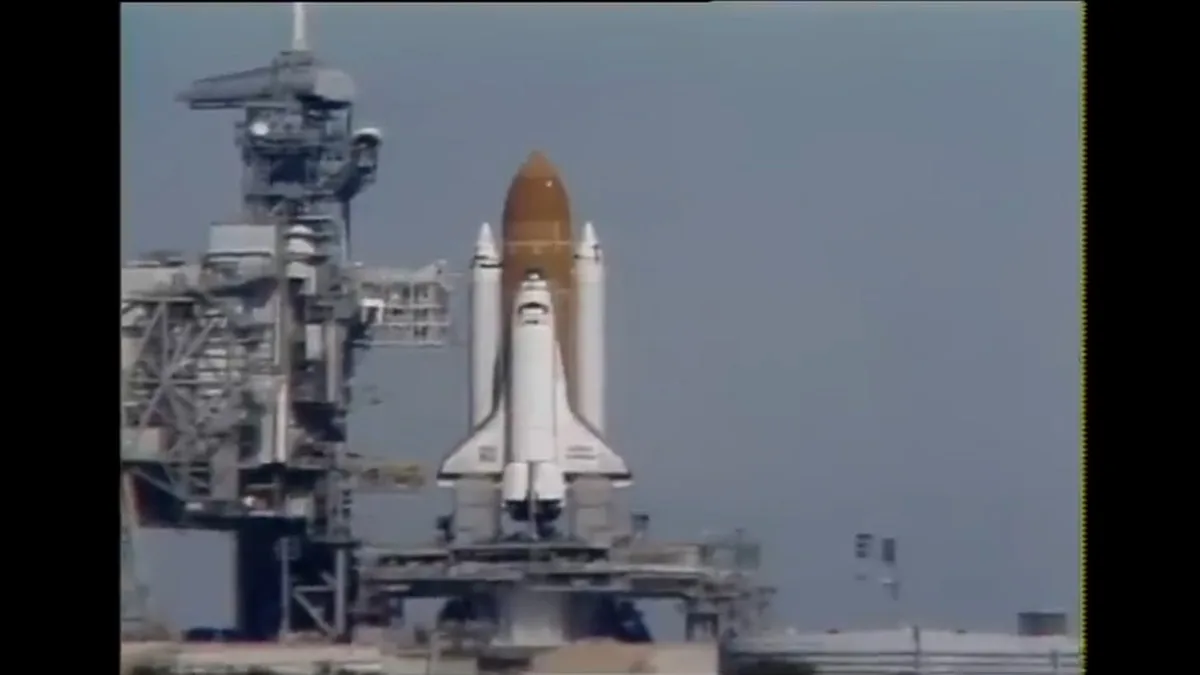
  • Space Shuttle Challenger on the launch pad at Kennedy Space Center, Cape Canaveral, before liftoff on January 28, 1986
    Launch pad — minutes before
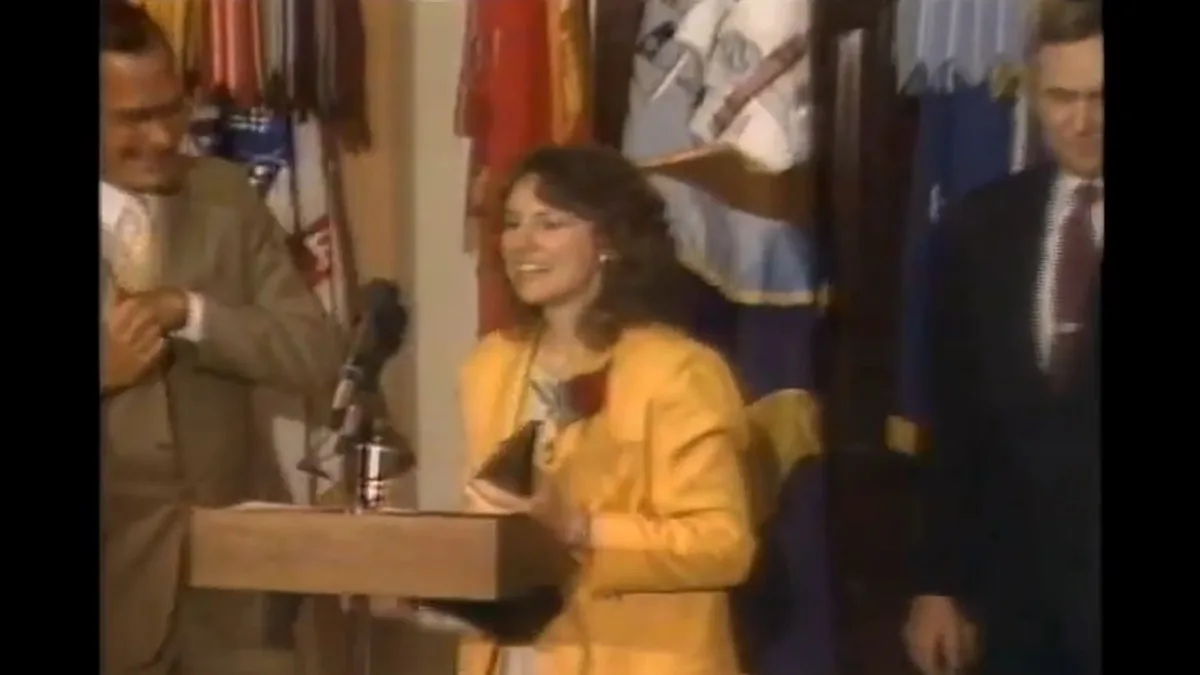
  • Christa McAuliffe, the civilian teacher selected from 11,000 applicants to fly aboard Challenger
    Christa McAuliffe — the teacher on board
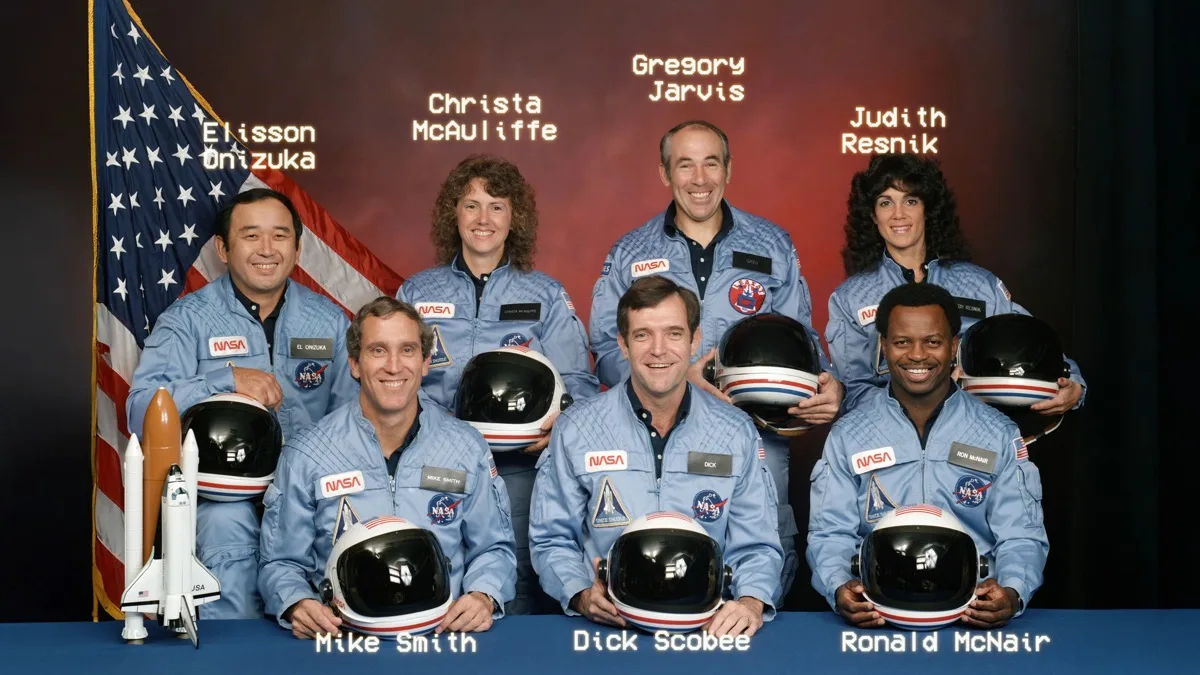
  • Official portrait of the seven crew members of the STS-51-L Challenger mission — Mike Smith, Dick Scobee, Ronald McNair, Ellison Onizuka, Christa McAuliffe, Gregory Jarvis and Judith Resnik
    The seven crew members of STS-51-L
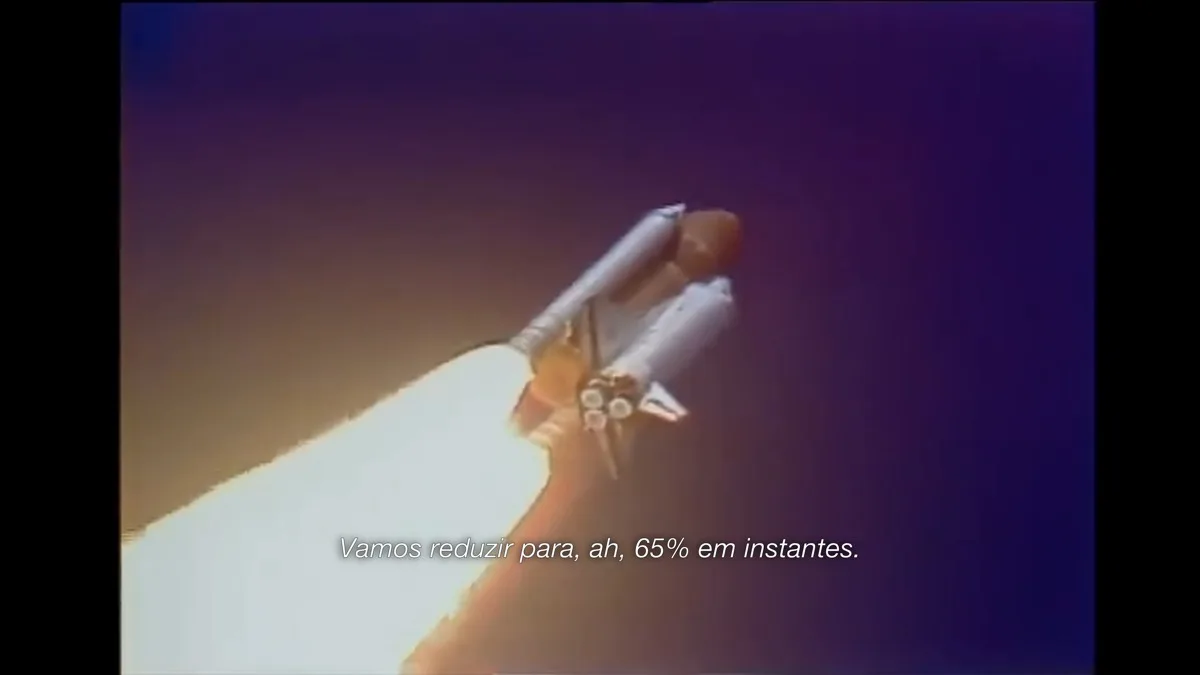
  • Challenger in its first seconds of flight, moments before breakup at 73 seconds after liftoff
    Throttle up — before the 73 seconds
  • Iconic Y-shaped cloud formed after the breakup of the Space Shuttle Challenger, with the boosters spiraling away on divergent trajectories
    73 seconds later — the Y-shaped cloud
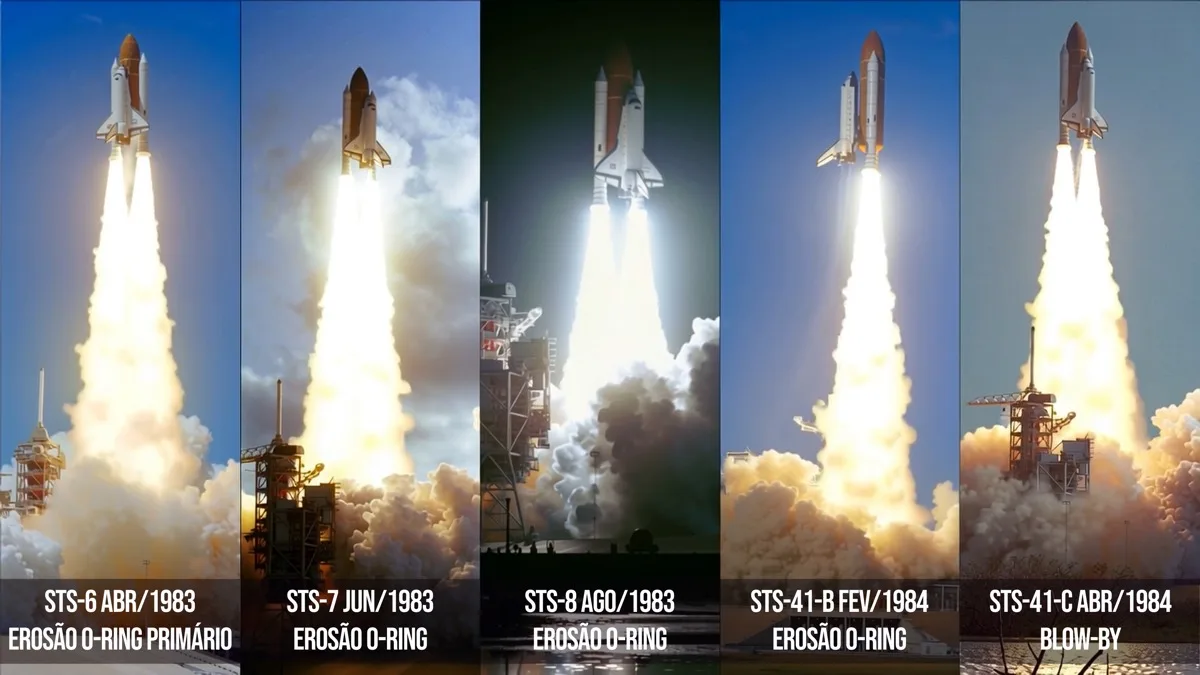
  • Historical panel of five previous Space Shuttle flights with documented O-ring erosion on the boosters — STS-6, STS-7, STS-8, STS-41-B and STS-41-C
    Nine flights with erosion · 34 incidents before the disaster
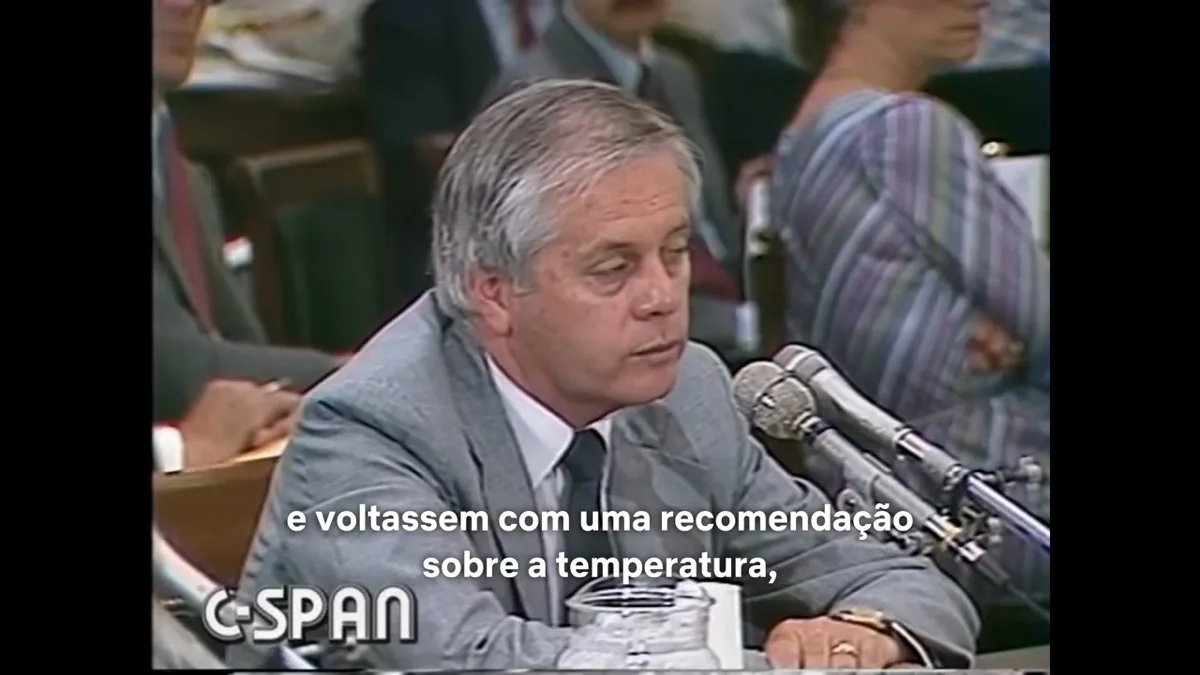
  • Testimony before the U.S. Congress on the decisions made the night before the Challenger launch — C-SPAN archive
    Congressional testimony — C-SPAN
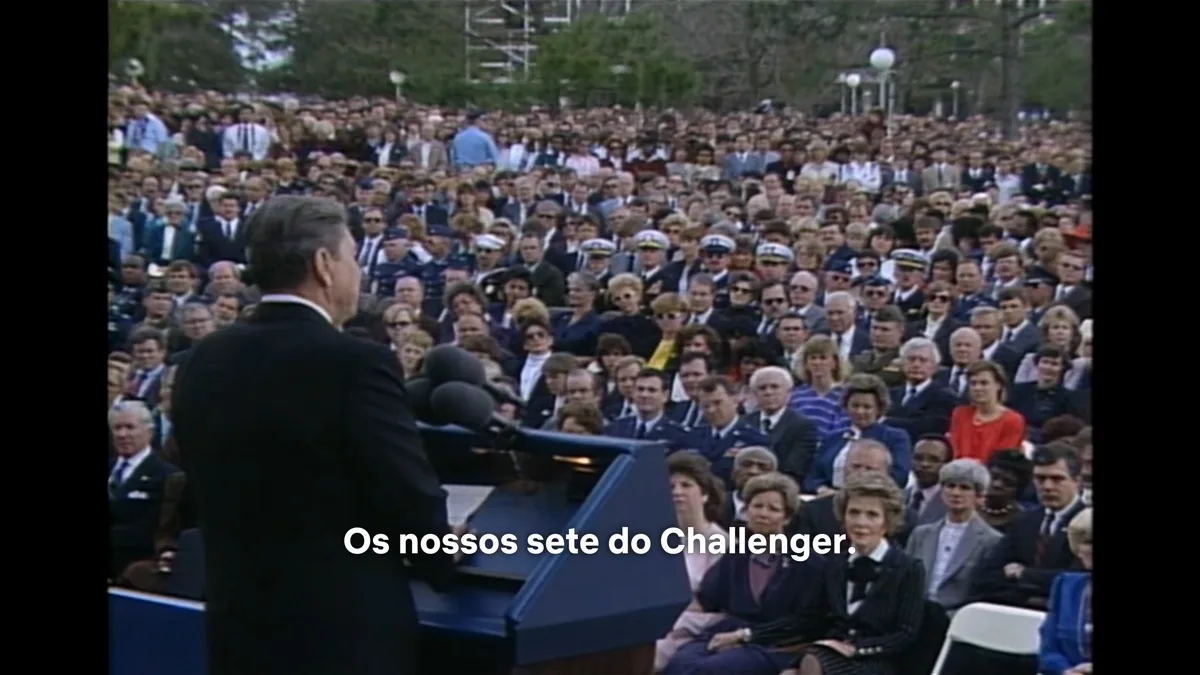
  • President Ronald Reagan delivering an official address on the White House grounds in tribute to the seven Challenger crew members
    Reagan's address — White House
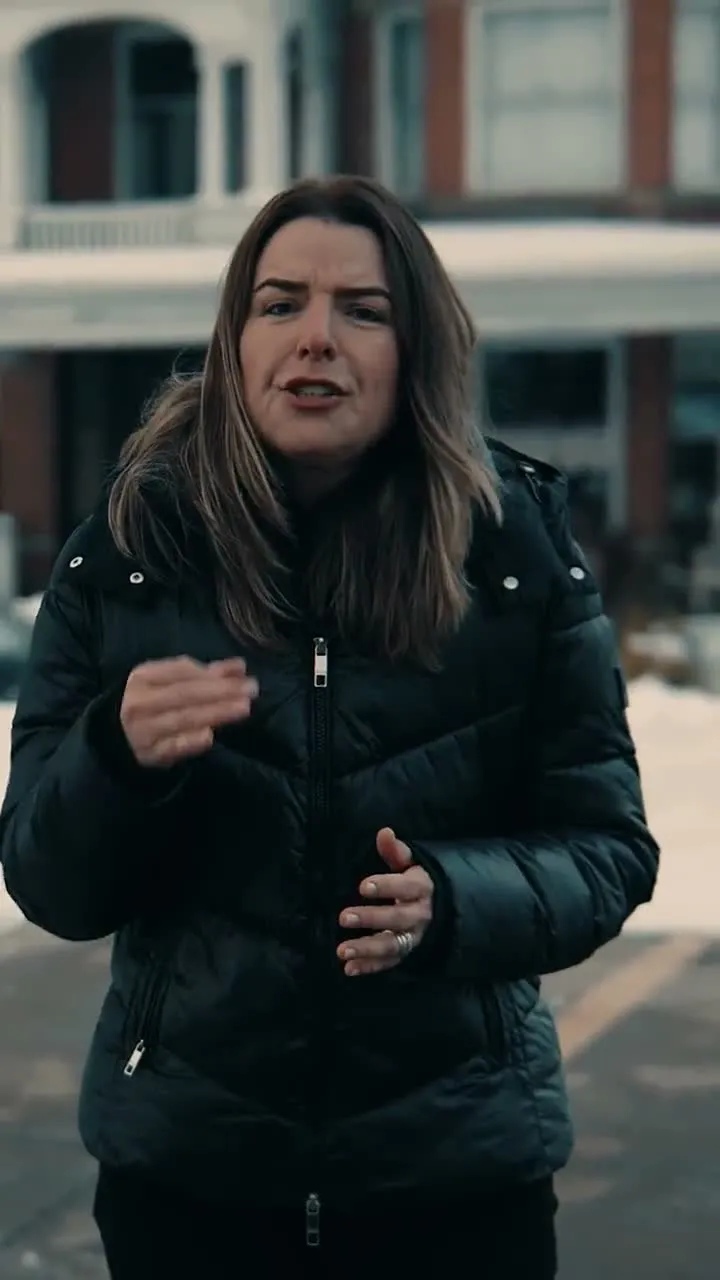
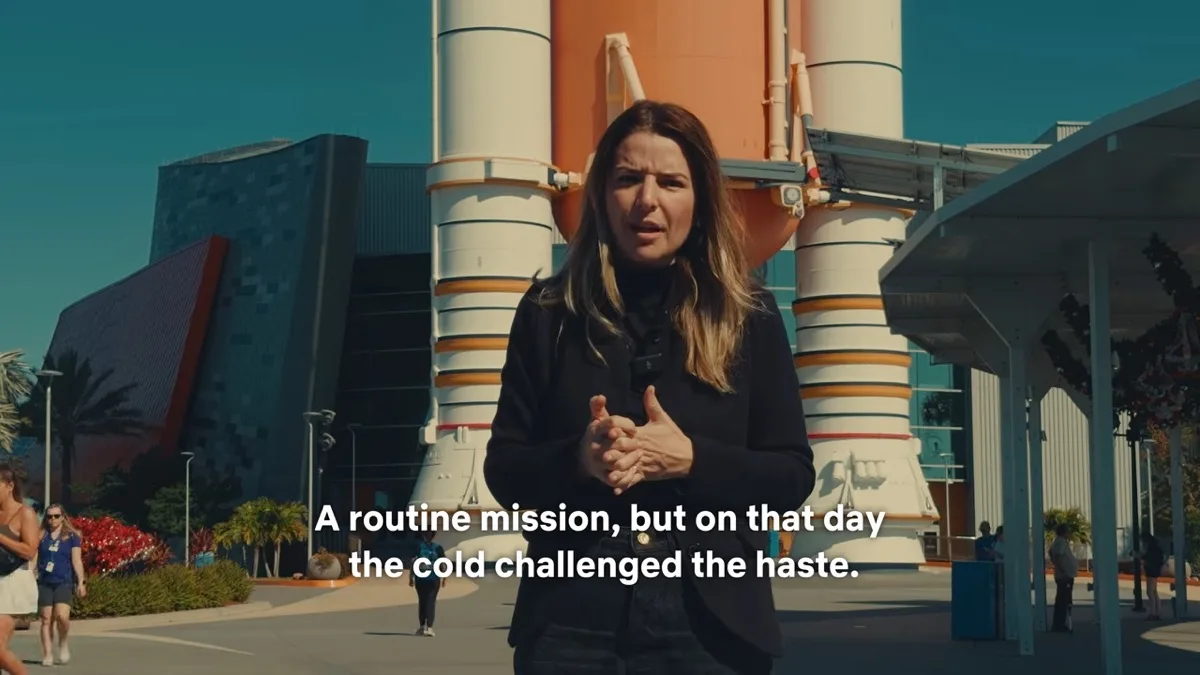
  • Andreza Araújo filming the documentary at the Kennedy Space Center, the same site where Challenger lifted off in 1986
    Andreza Araújo at Kennedy Space Center
Ten practical lessons

What Challenger reveals about your organization.

Each lesson below ties the anatomy of the disaster to a concrete decision every leader faces today, in any sector.

01

Unrealistic schedule

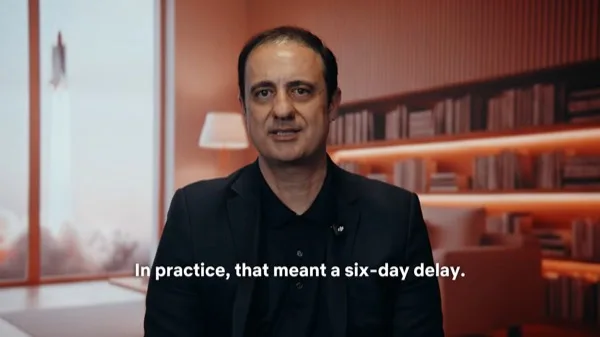
NASA's launch schedule had already slipped twice and the mission was six days behind. What had started as a constraint hardened into a non-negotiable line, pushing past external conditions, real technical limits, and known operational risks. In the decision-making meeting, the calendar became the final argument that no one could push back against.

02

Temperature below the qualified range

On the morning of January 28, it was 30 °F (-1 °C) at Cape Canaveral. The solid rocket booster O-rings had been qualified to operate above 53 °F (12 °C). In cold weather they lost elasticity, were slow to respond to pressure, and couldn't follow the mechanical deformation of ignition. In complex systems, the reliability of a single component decides the outcome.

03

Normalization of deviance

The nine previous Challenger flights had shown O-ring erosion. The Washington Post catalogued 34 incidents officially reported before the disaster. Because none of them caused catastrophic loss, none became a priority. The consequence was subtle: risk became tolerated as routine, and that routine fed the next disaster.

04

Reversing the burden of proof

The night before launch, the meeting between NASA and Morton Thiokol shifted direction. Instead of discussing how to fly safely, engineers were asked to prove it wasn't safe to fly. Without conclusive data on O-ring behavior at 30 °F, they had no way to sustain the argument, and the no-launch recommendation was withdrawn.

05

Independent oversight

After the disaster, it was clear NASA didn't have the capacity to investigate its own accident with internal resources. An independent commission was formed and, as a systemic response, an autonomous office of safety, reliability and quality assurance was created. In 2003, in the Columbia accident, part of that organizational memory had already faded and systemic failures returned. Held in people rather than in structures, the lesson erodes with the next round of turnover.

06

Transparency with those exposed

The Challenger crew didn't know about the O-ring problem. They were unaware of the heated meeting the night before, weren't consulted, and didn't consent to the risk they were taking. The managerial layer that decided to fly was the only one that knew about the technical disagreement, and that asymmetry is the core ethical problem.

07

Risk perception disconnect

NASA management estimated the risk of catastrophic failure at 1 in 100,000. Front-line engineers estimated 1 in 100, a thousand-fold gap between those who decide and those who operate. Richard Feynman called it fantastic faith, a willful ignorance of the evidence. Deciding together, with perceptions that far apart, is deciding alone.

08

Organizational courage

Allan McDonald, a Morton Thiokol engineer, refused to sign the launch recommendation. He was demoted shortly afterward, but his testimony before Congress broke the official narrative and forced the investigation to reopen. Years later, with congressional support, he was reinstated. Taking that kind of stand inside an organization is rarely cost-free in the short term.

09

Engineering ethics versus business decision

In one of the most documented moments of the night-before meeting, the Morton Thiokol manager told an engineer to take off his engineering hat and put on his management hat. The organizational culture allowed business decisions to override technical ones, and the framing of the question already carried the outcome: engineering walked into the room as a subordinate to the business.

10

Escalation of critical information

The subsequent investigation showed that NASA's senior leaders weren't aware of the most critical engineering analyses. The organizational culture discouraged bad news, and the layers of filtering between front-line operations and senior leadership ensured the information arrived late, when it arrived. The system functioned exactly as it had been built: to protect the hierarchy, not to inform it.

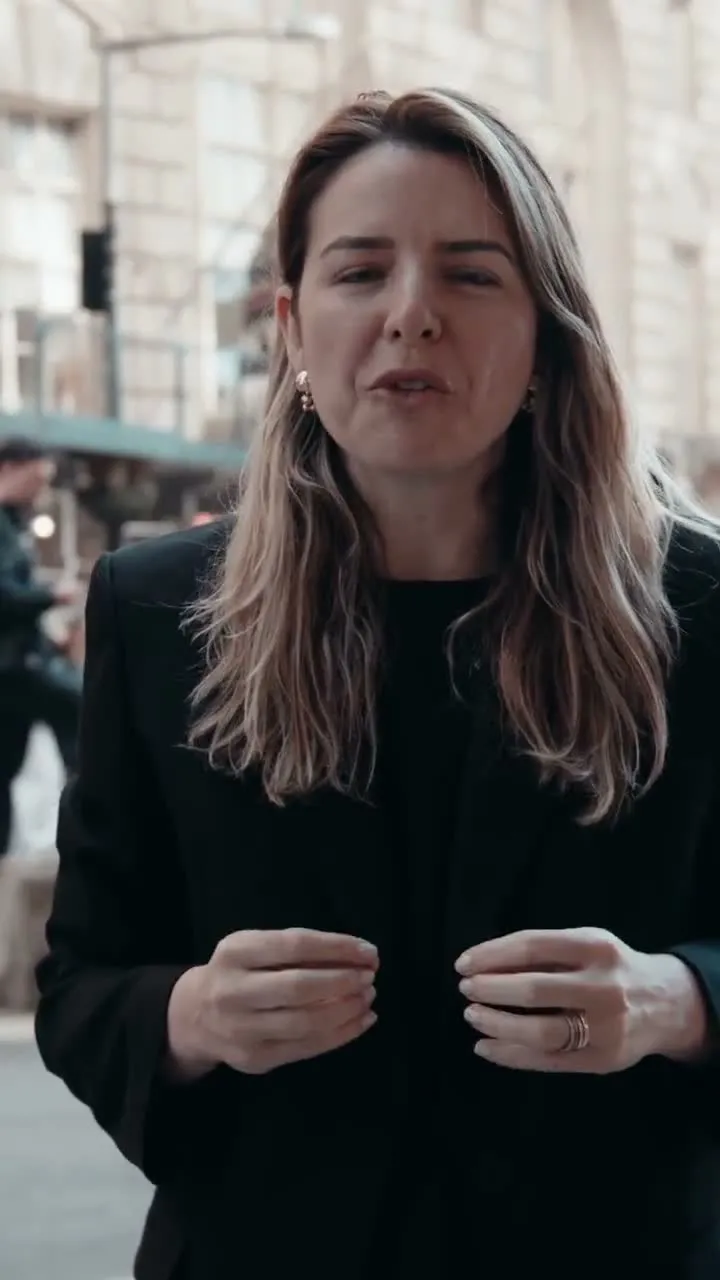
Andreza Araújo is a documentary filmmaker, host and executive producer of audiovisual work on safety culture and risk management. Her films reconstruct historical tragedies such as Farmington, Titanic, Alcoa and Challenger to show that the disaster is rarely the first thing to happen. It's the last.

Before every film there is a chain of organizational and cultural decisions built up slowly, over time. To her, those chains can be taken apart, and learning only changes the game when it becomes structure. Her documentaries circulate in three languages and are used in safety programs across the United States, Brazil and Latin America.

Who appears

Special appearances and archival sources.

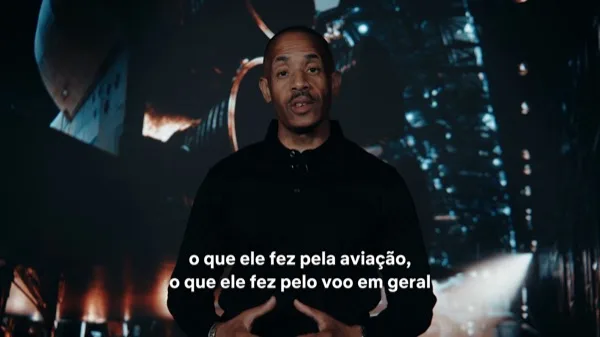
The documentary cross-references historical archives with present-day testimonies from people who live operational safety as a profession.

Danishon R. Felder, Chief Safety Manager of the United States Air Force

Danishon R. Felder

Chief Safety Manager · United States Air Force

Certified Safety Professional (CSP)

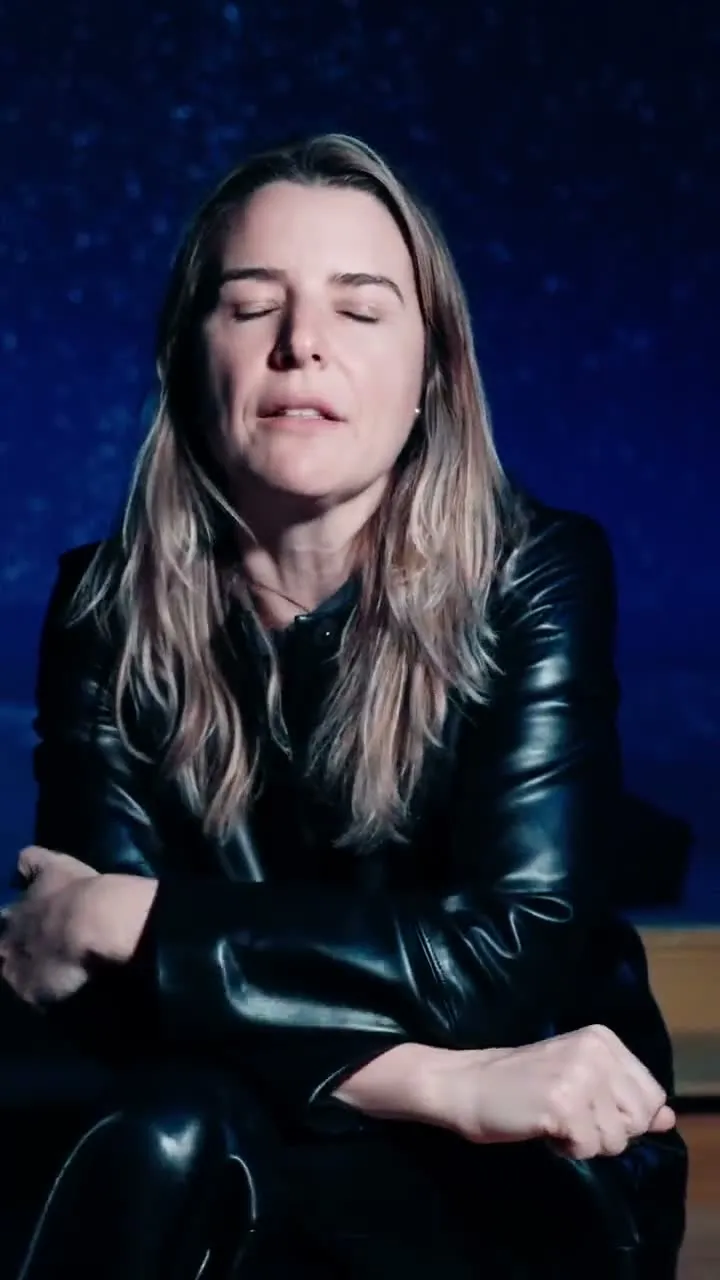
Shares the personal memory of January 28, 1986, when she was in a classroom in Mississippi, and what Challenger has come to mean to her over a career in the Air Force. Her last commander in the USAF Reserve was Richard Scobee, son of Francis Dick Scobee, Challenger's commander.

Rogério Nersissian, special appearance in the documentary

Rogério Nersissian

Special appearance

On safety culture in the Brazilian context and the connections between the Challenger case and what's happening today in the country's industrial operations.

Jonatas Costa

Director

Director of the documentary.

Images and archives
  • C-SPAN
  • ASCE — American Society of Civil Engineers
  • United Engineering Foundation
  • NASA
  • NASA STI Program